Strategy, positioning, evidence and content for frontier tech
25
Years at the Cutting Edge
What's AstralStack?
Built for what's next
I’m Tim Bresien, a technology marketing and communications strategist who has spent my career helping complex technologies find their place in the market. I work directly with founders, executives and technical teams to understand what makes their approach different, and turn that advantage into positioning, go-to-market strategy, compelling evidence and market authority.
My approach is deliberately hands-on. No layers of account management, no generic playbooks and no AI content factory. The goal is to uncover what’s genuinely distinctive about a company or product and build the strategy and story around it.
I’ve spent enough time in and around emerging technologies to know that true market breakthroughs rarely follow the trajectory predicted for them. Being first doesn’t guarantee market leadership, and even the innovators behind the breakthroughs can fail to own the markets they help create. The work I enjoy most is determining what matters first, what should come next and how each move creates leverage for the one after it.
New markets arrive surrounded by enormous expectations. Terminology changes. Competitors multiply. Capital pours in. Technologies that look unstoppable disappear, while ideas dismissed as premature sometimes return years later when the infrastructure, economics and customer need finally catch up.
We’re seeing another one of those moments develop now.
Physical AIis bringing robotics, computer vision, sensors, semiconductors, wireless infrastructure, simulation and intelligent software together in ways that could fundamentally change how work gets done. There will be extraordinary companies built in this transition. There will also be plenty of hype.
The marketing challenge is to distinguish between the two. To understand what has actually changed, identify where a company has a defensible advantage, and build a position that can survive after the initial excitement cools.
Frontier tech is different
Established markets come with established language, competitors, channels and customer expectations. Frontier markets often come with none of those things.
An early-stage company may need to define the problem before it can sell the solution. The first customer, pilot or technical evaluation can matter more than a broad awareness campaign. A technical paper, ecosystem partner or carefully chosen industry event may create more momentum than months of conventional content marketing.
That means working closely with founders and technical teams to make choices: which market to pursue first, how to position the technology, what evidence buyers need, which partners add credibility, and where to show up and when it’s time to make the bigger move.
The objective isn’t marketing activity. It’s progress.
EXPERIENCE IS THE BEST TEACHER
Pattern recognition for the next wave
I’ve spent more than two decades marketing technologies through periods of extraordinary change: from advanced semiconductors, wireless and broadband infrastructure to sensor fusion, IoT, defense technology, industrial automation and our rapidly developing world of AI infrastructure.
Along the way, I’ve worked with startups, public technology companies and global enterprises; launched products and categories; built positioning and go-to-market programs; developed technical and customer evidence; worked with journalists, analysts and industry organizations; and helped companies compete for attention in markets crowded with both genuine innovation and considerable hype.
Some technologies I’ve worked around became enormous markets. Others took much longer than expected. Some disappeared entirely. That experience has taught me to look beyond the prevailing narrative and ask harder questions.
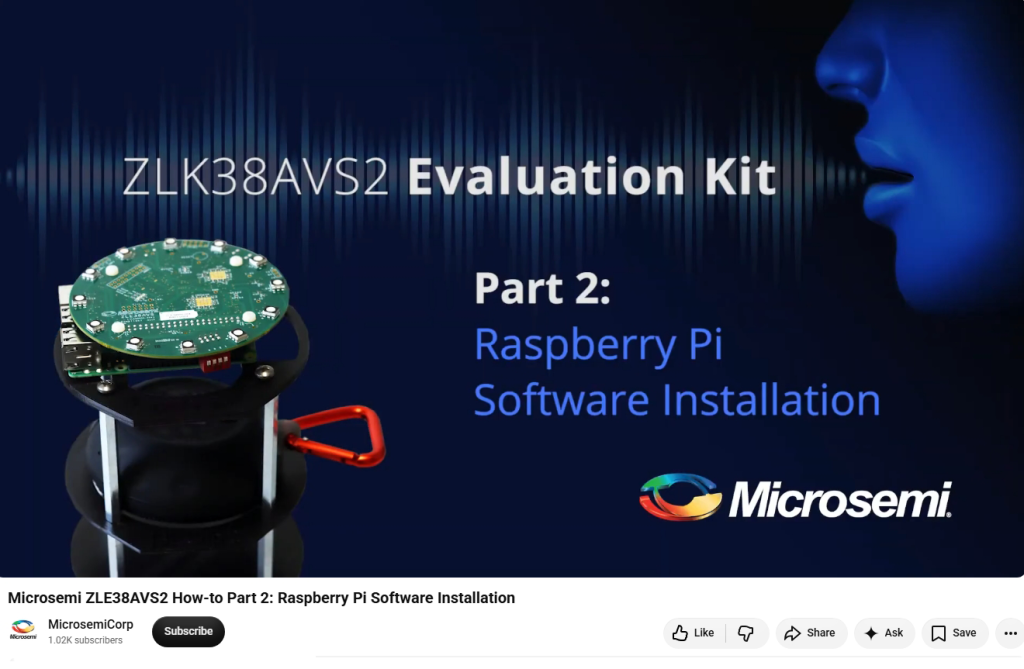
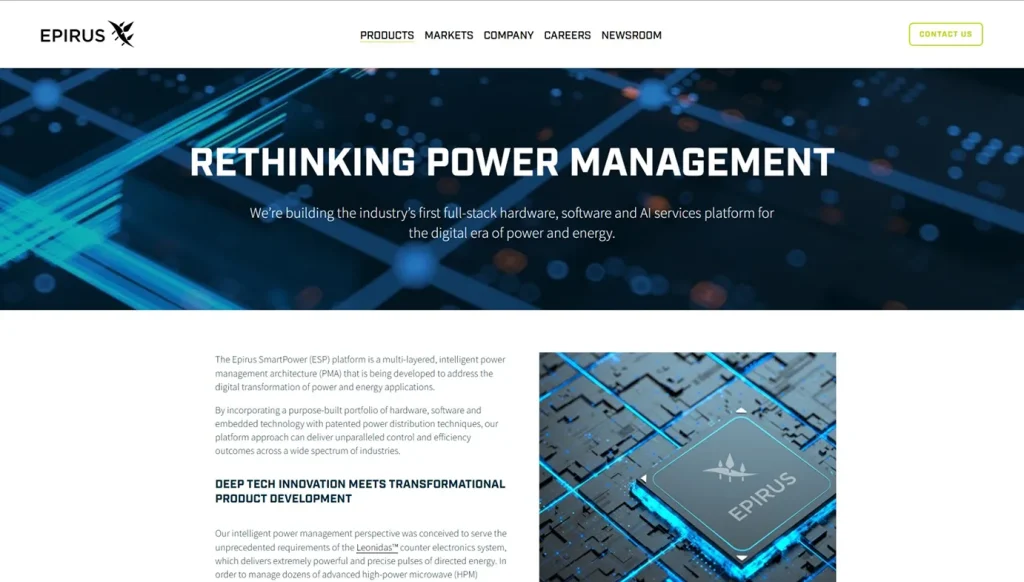
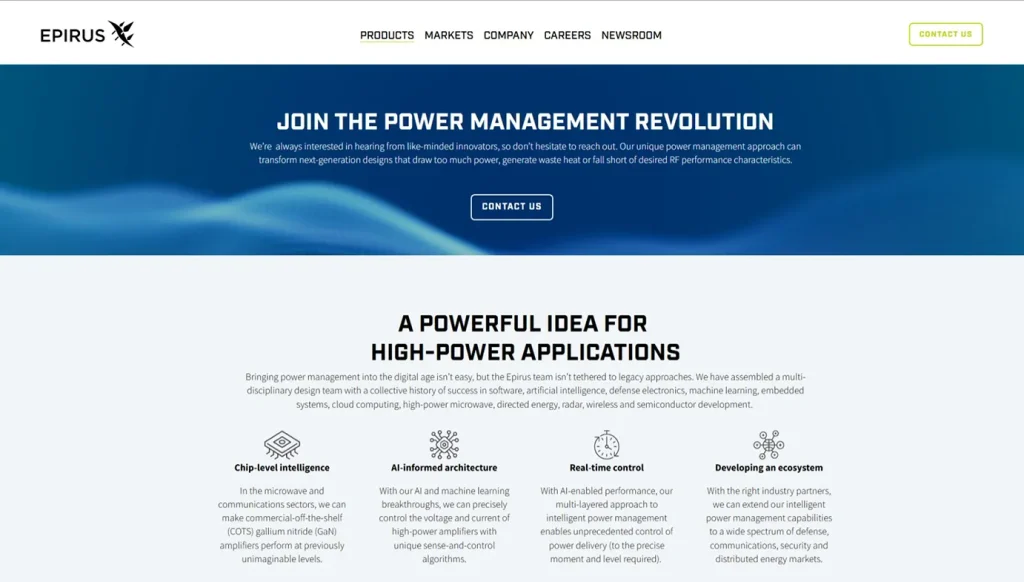
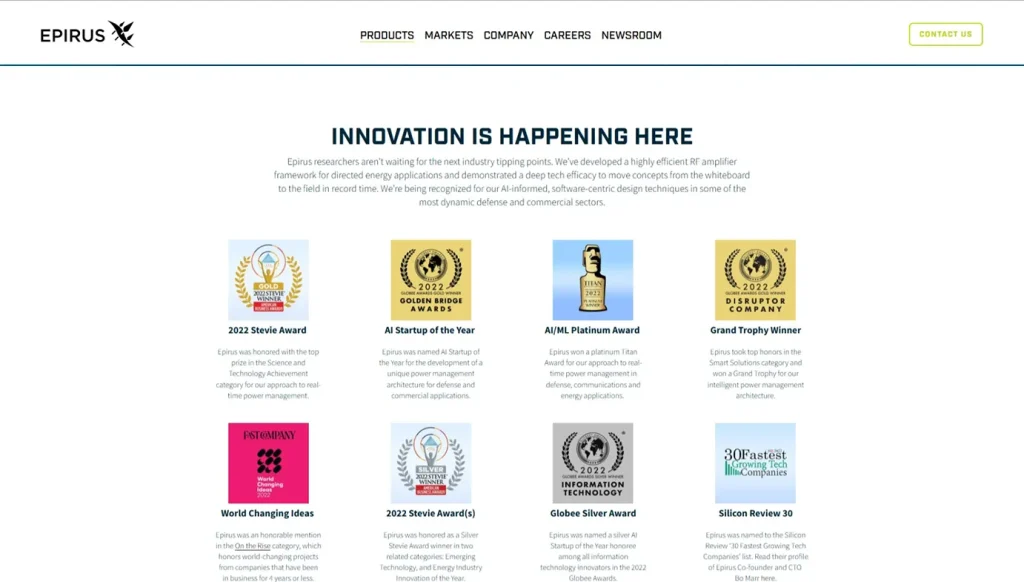
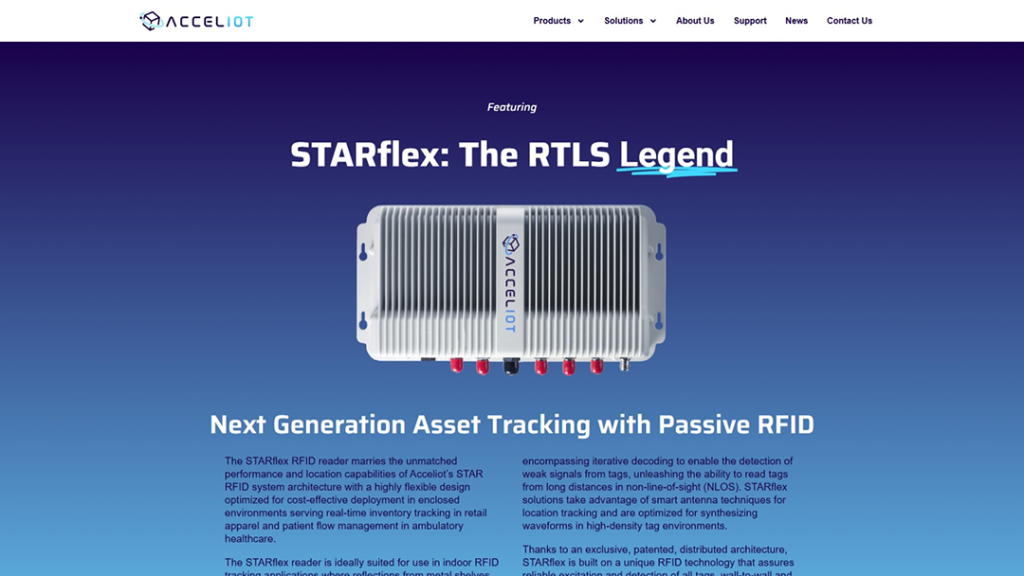
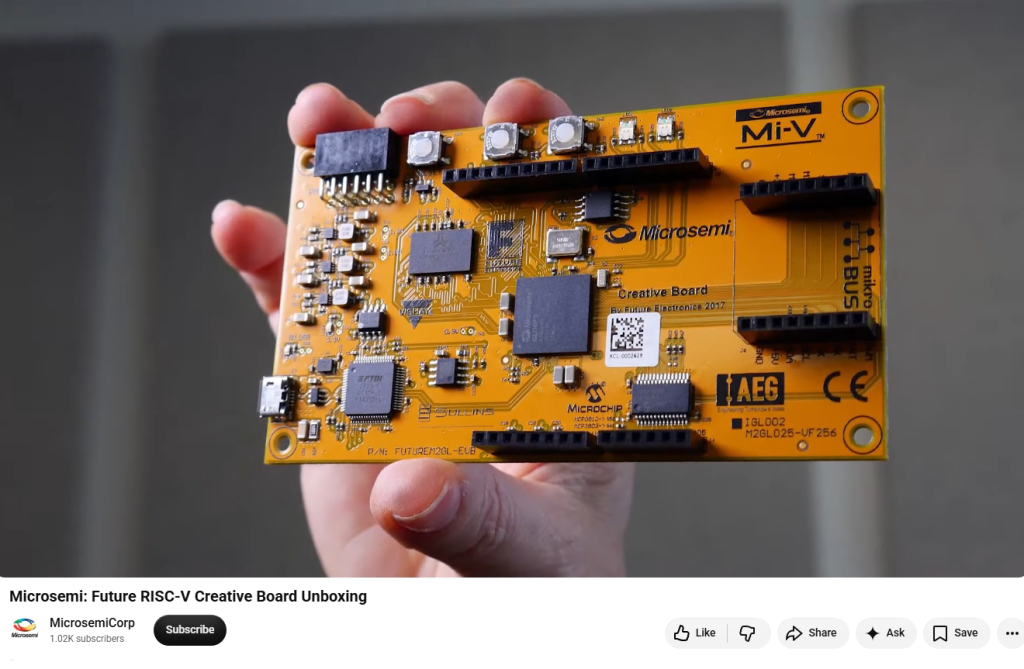
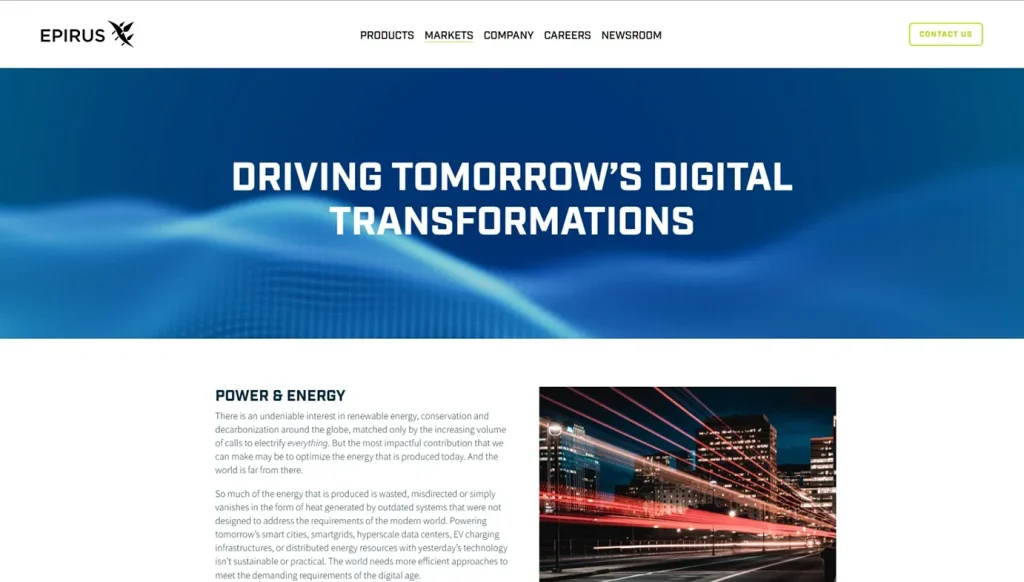
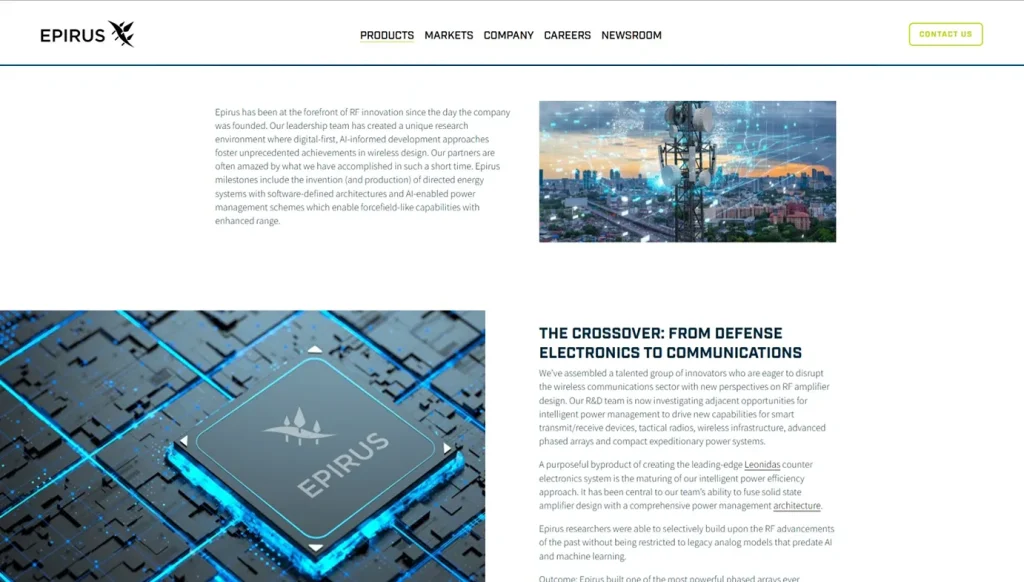
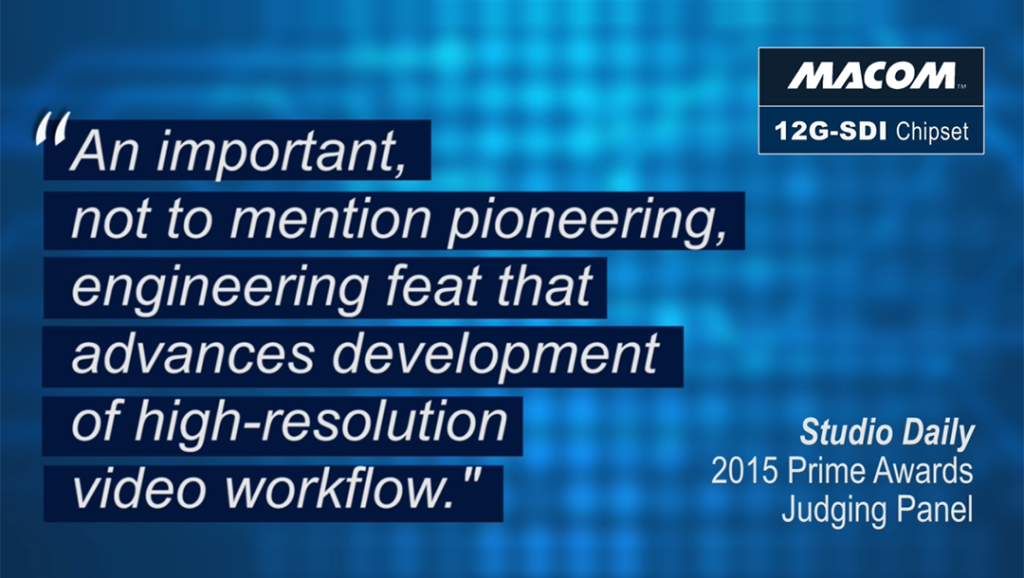
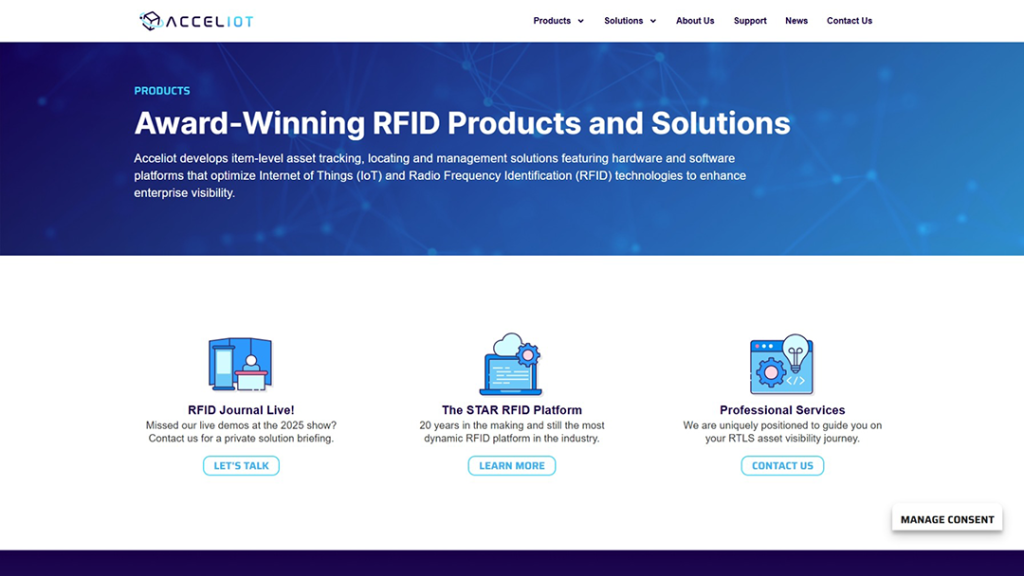
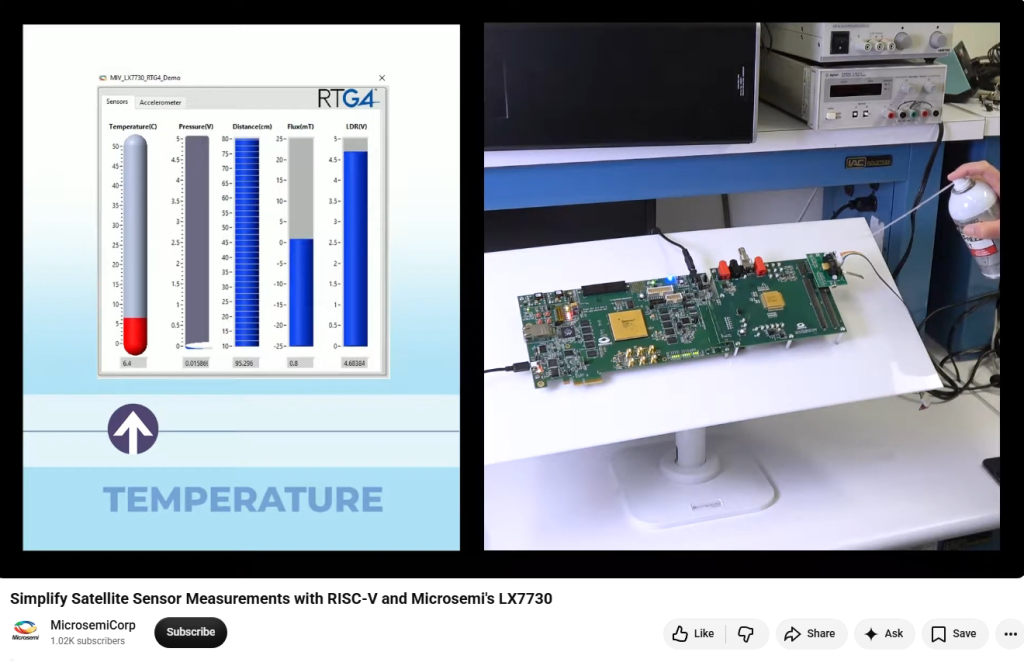
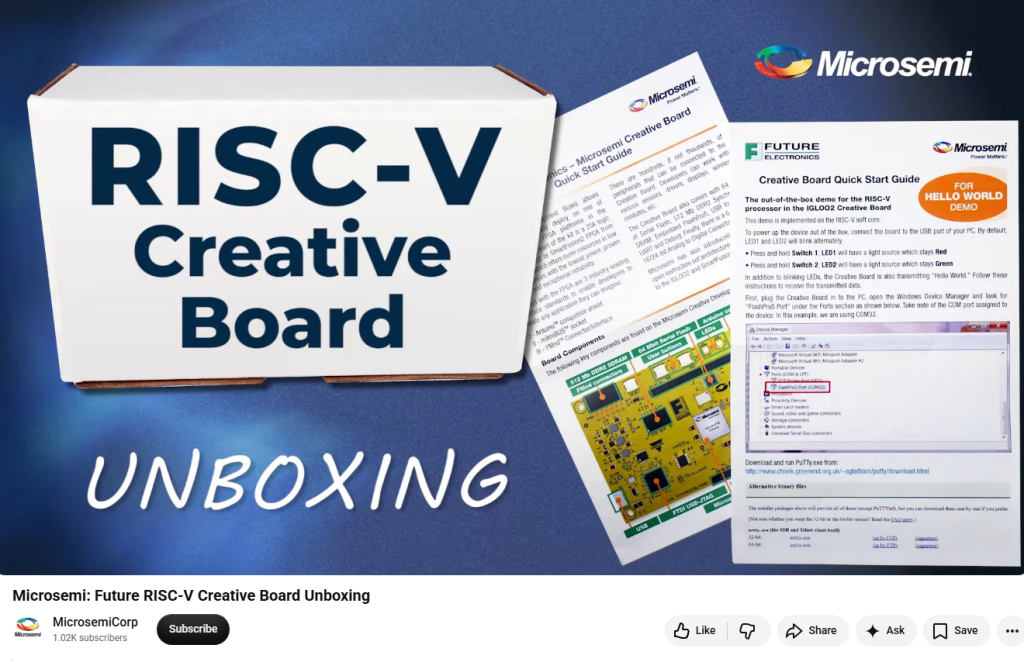
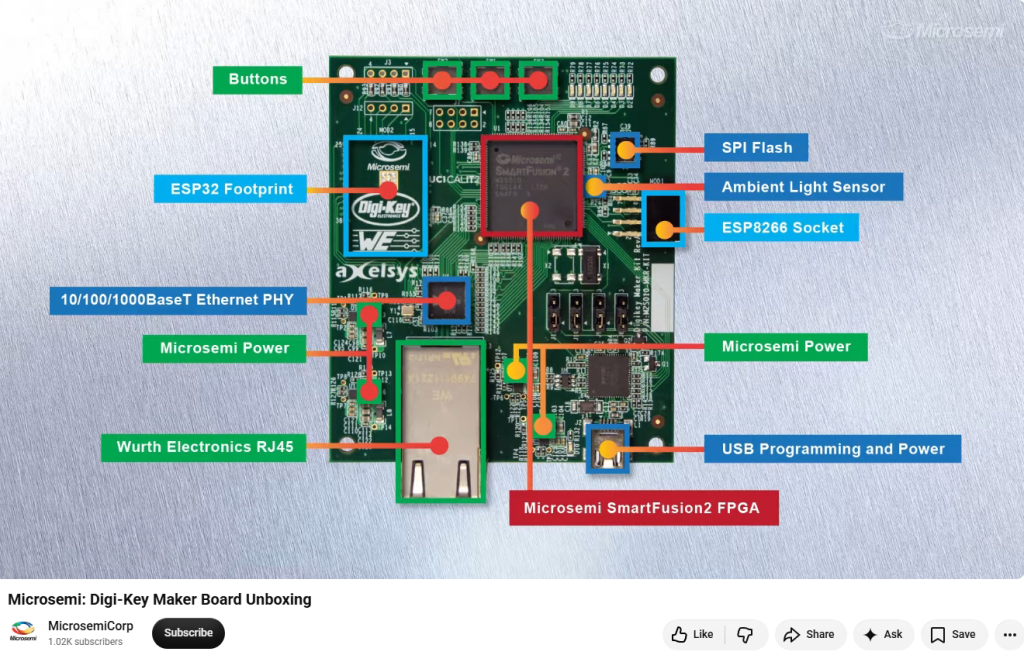
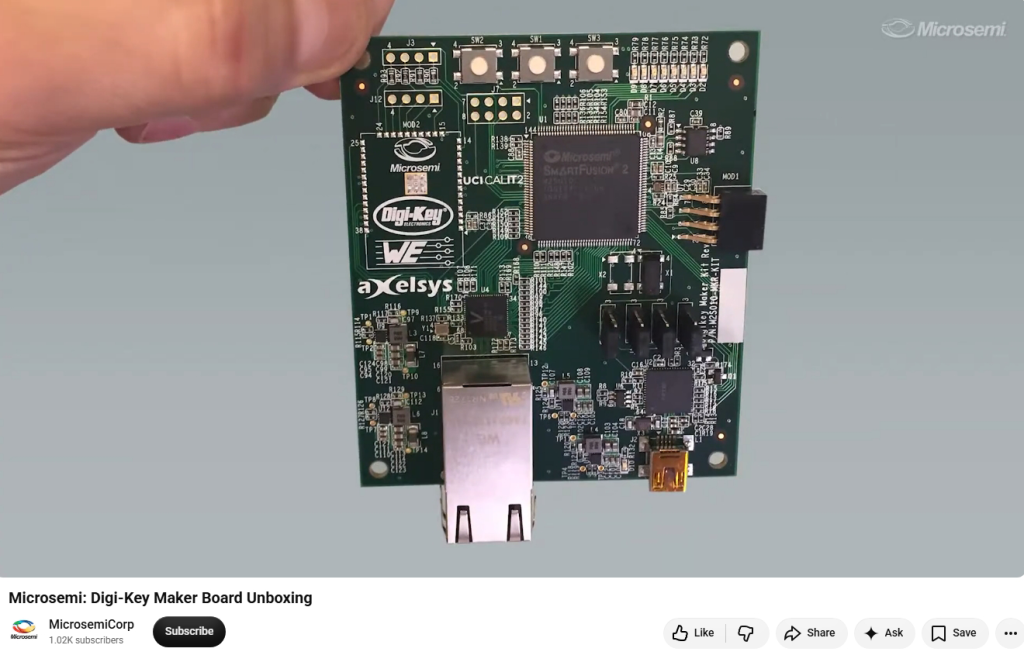
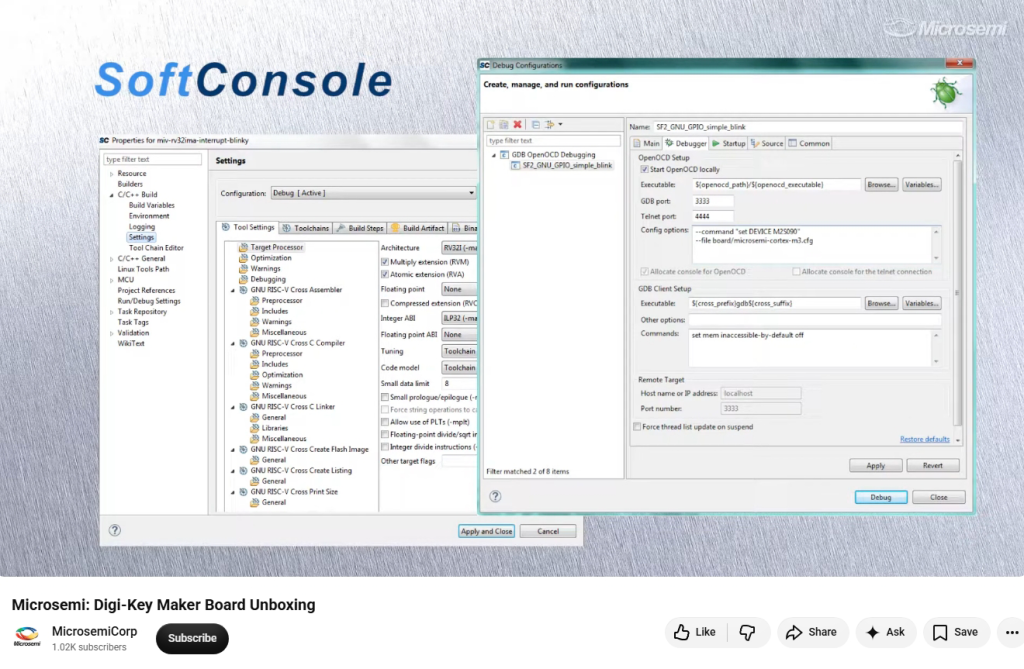
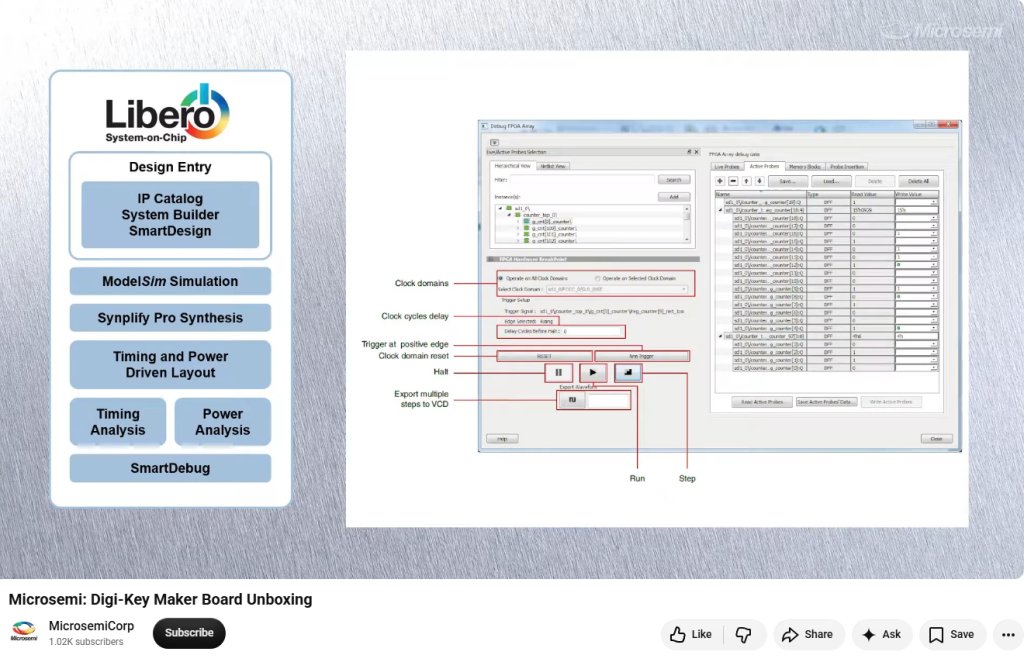
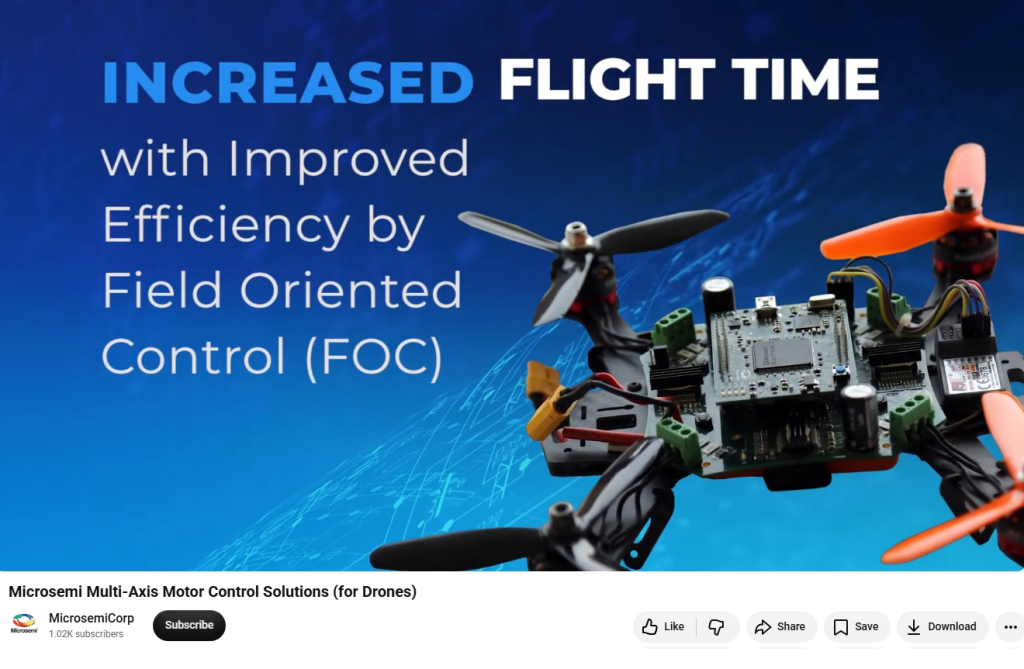
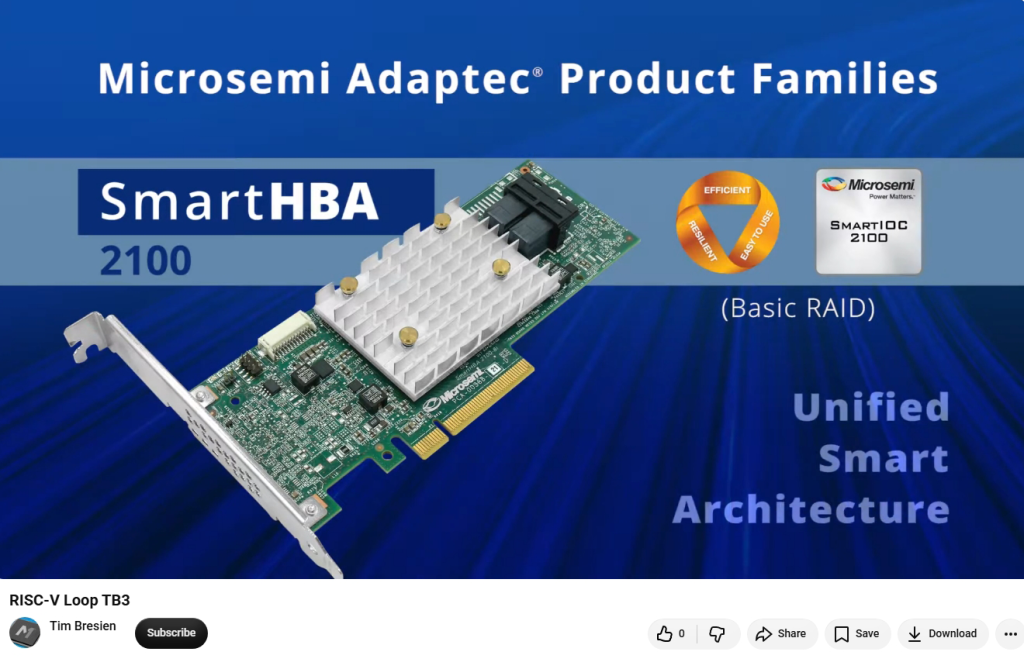
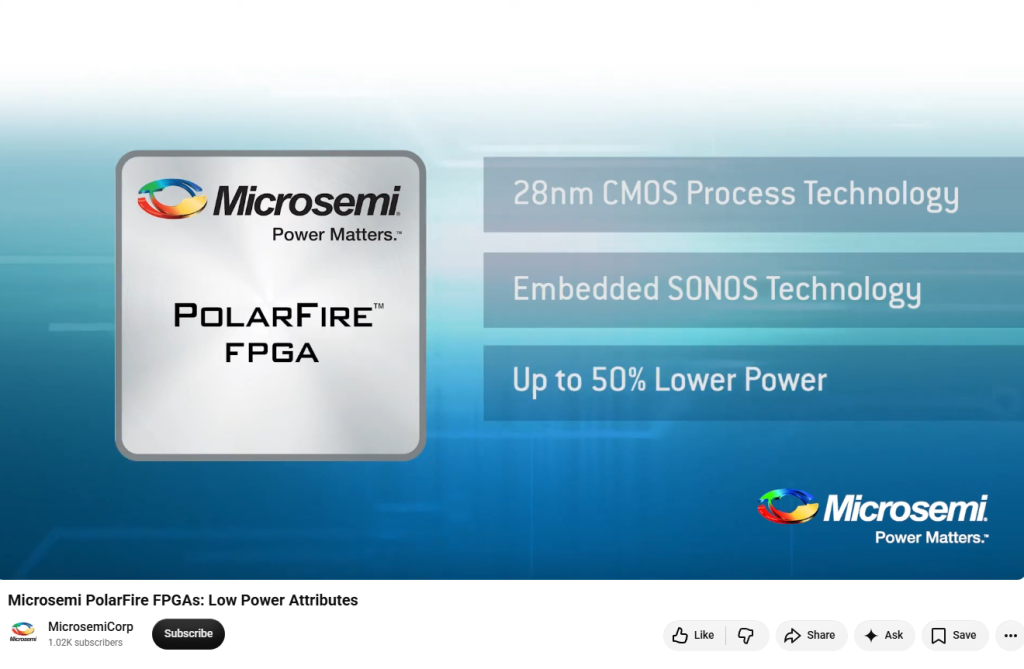
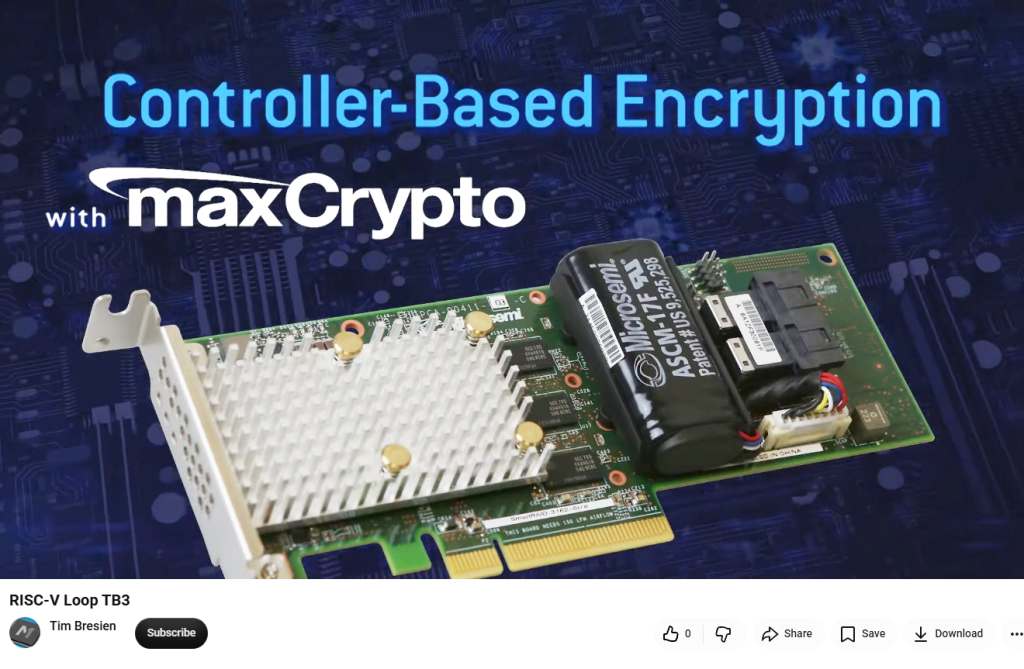
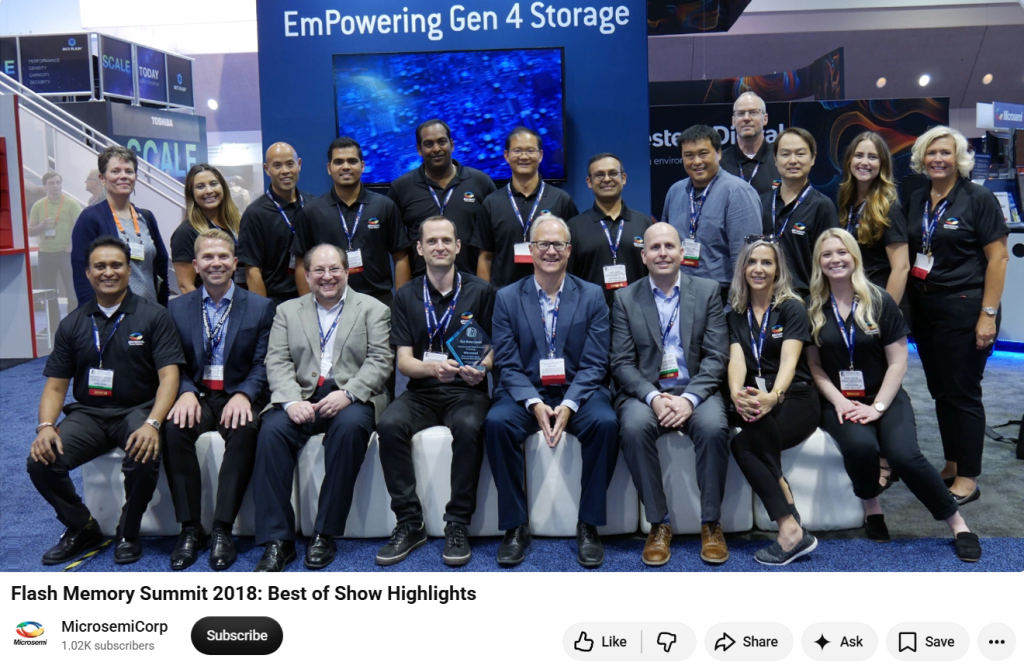
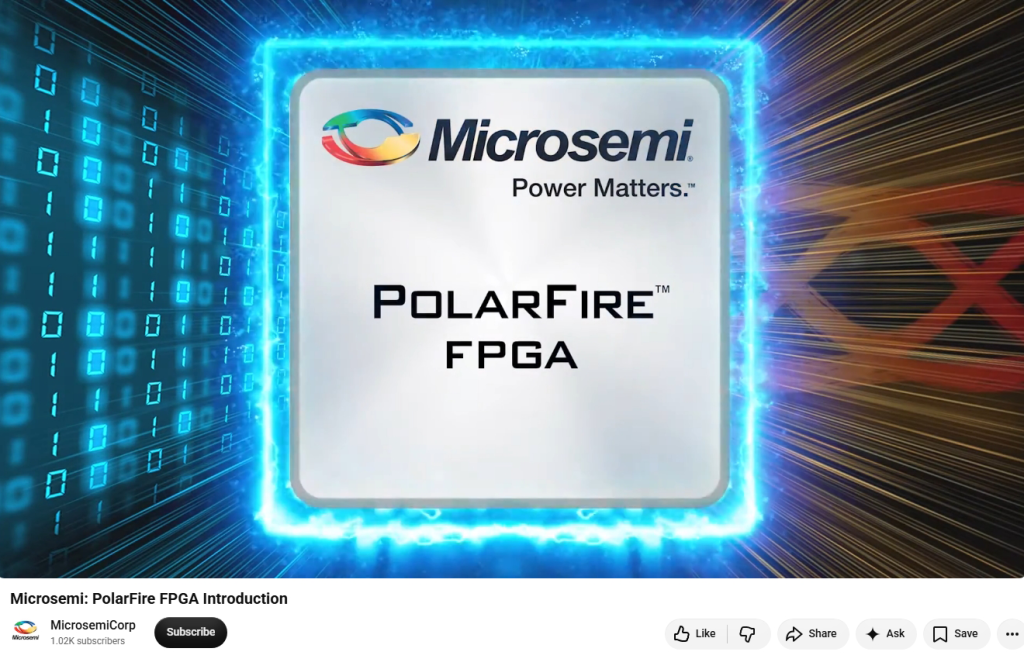
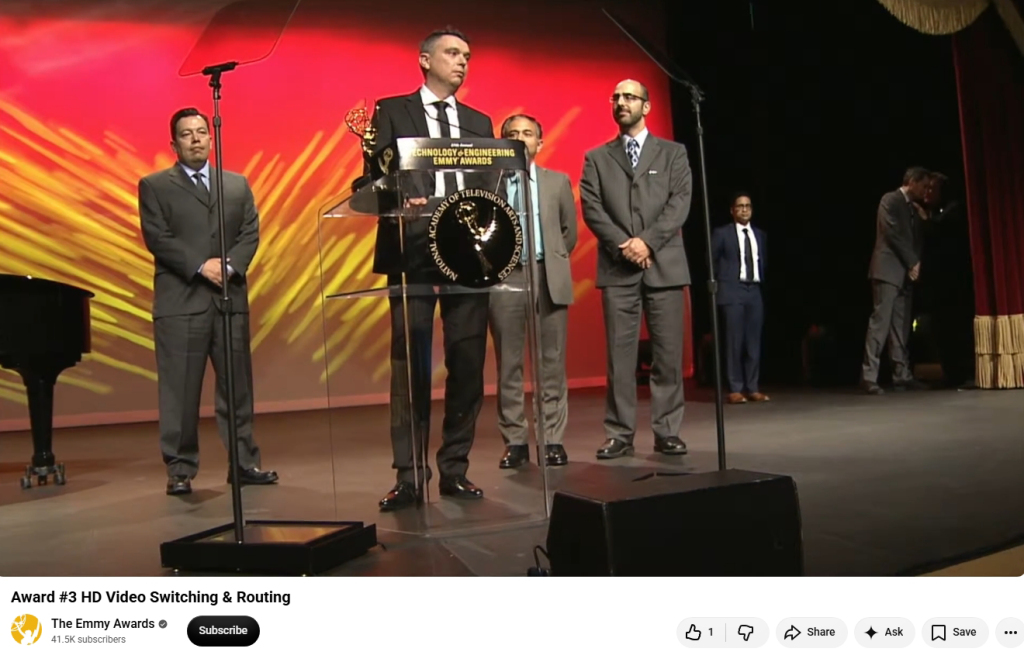
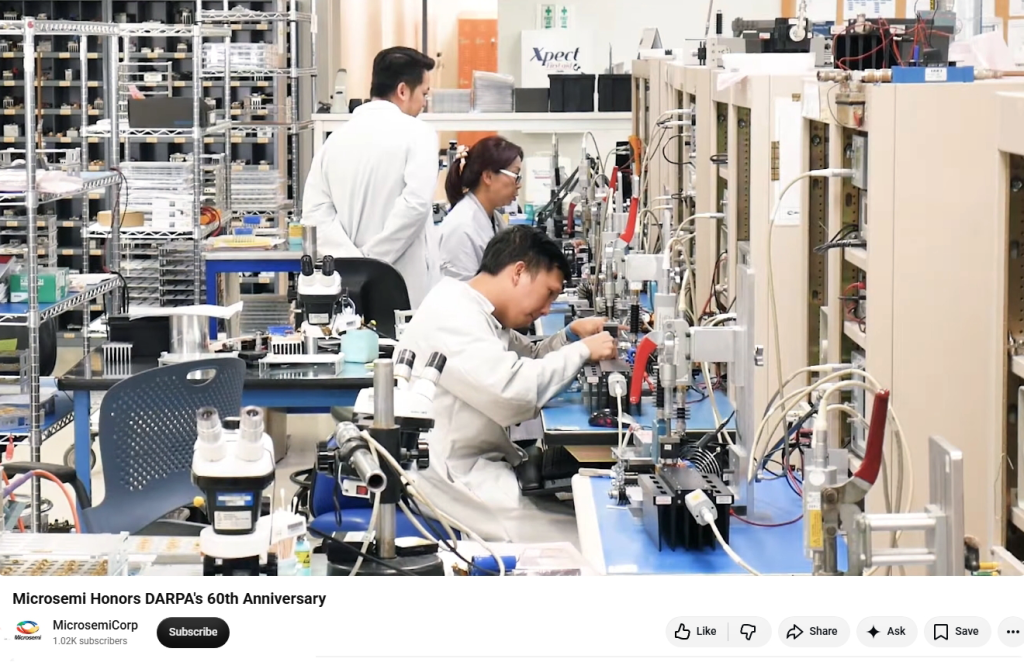
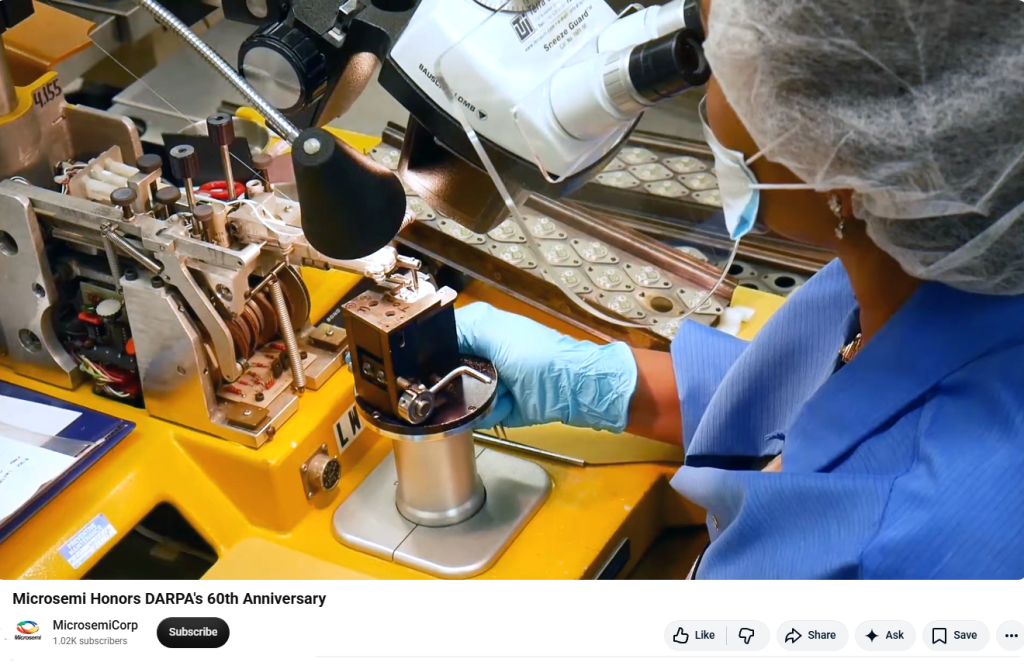
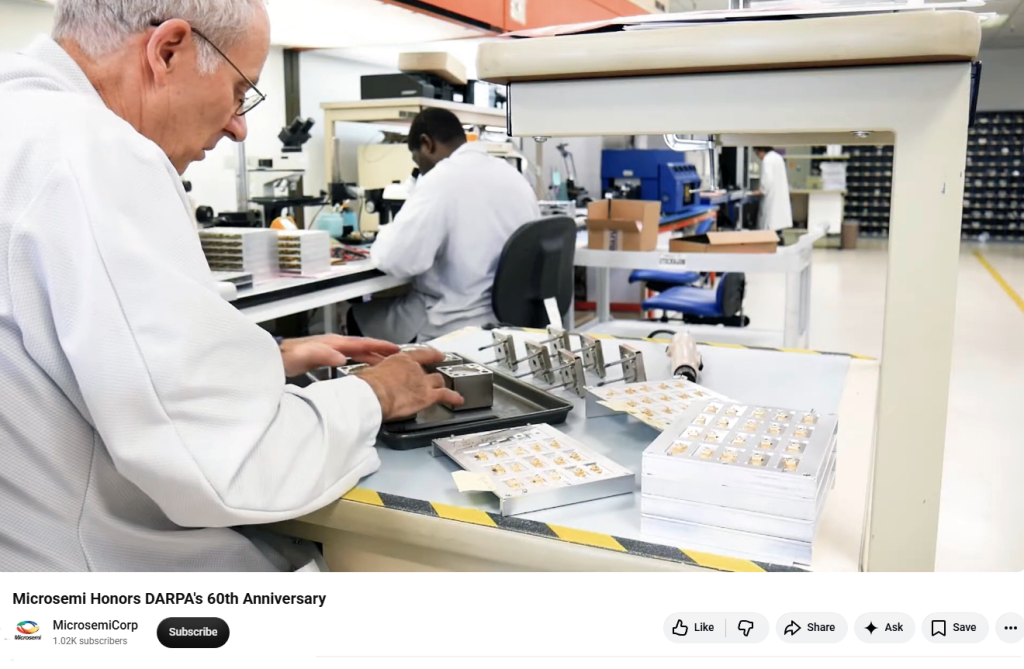
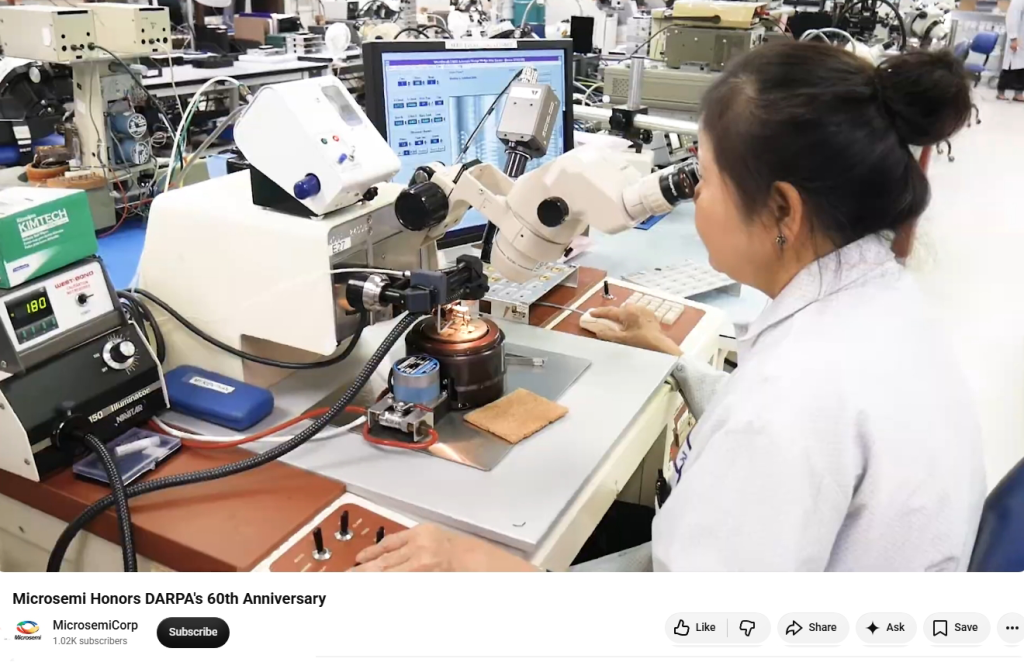
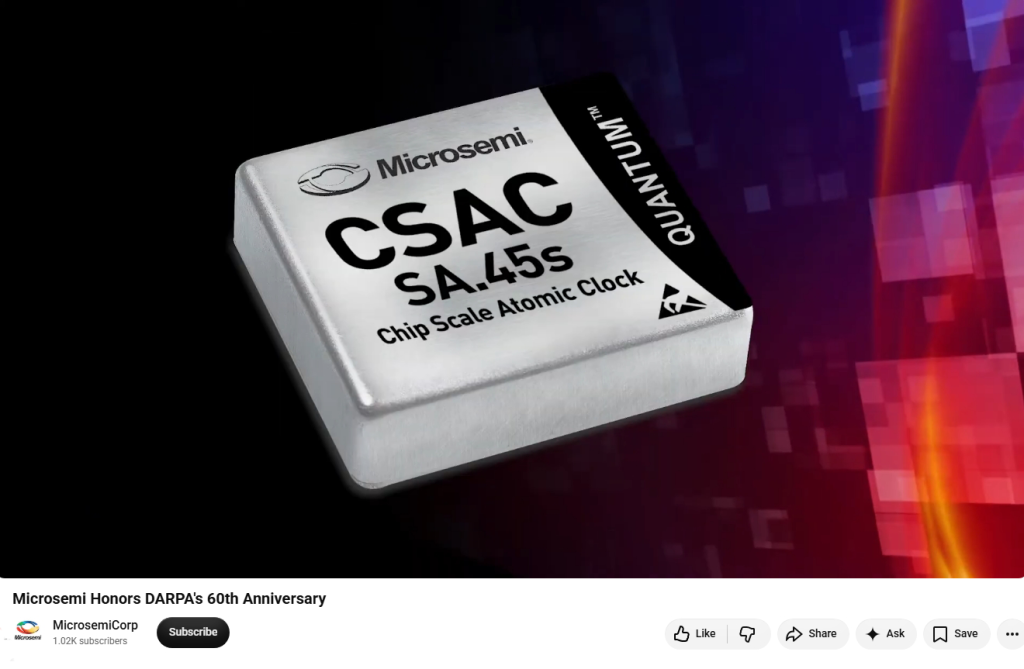
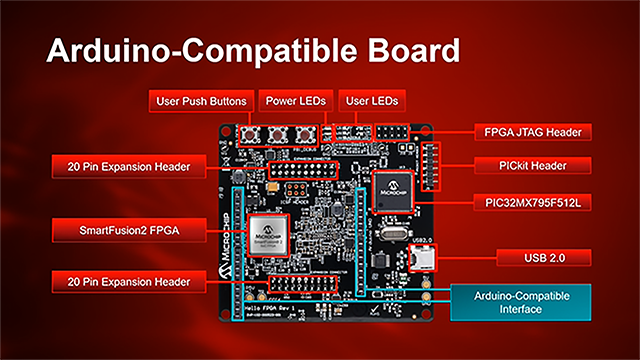
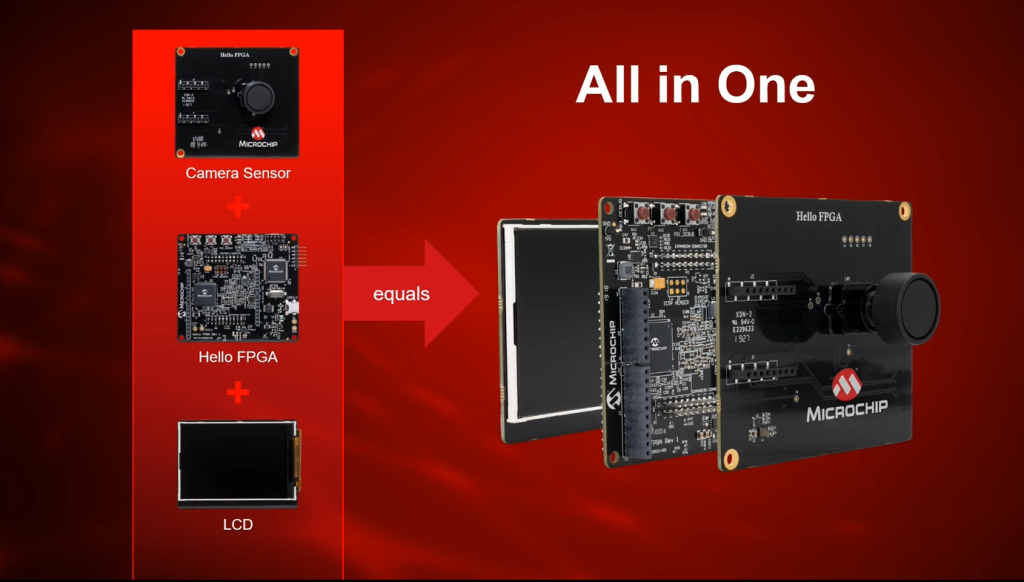
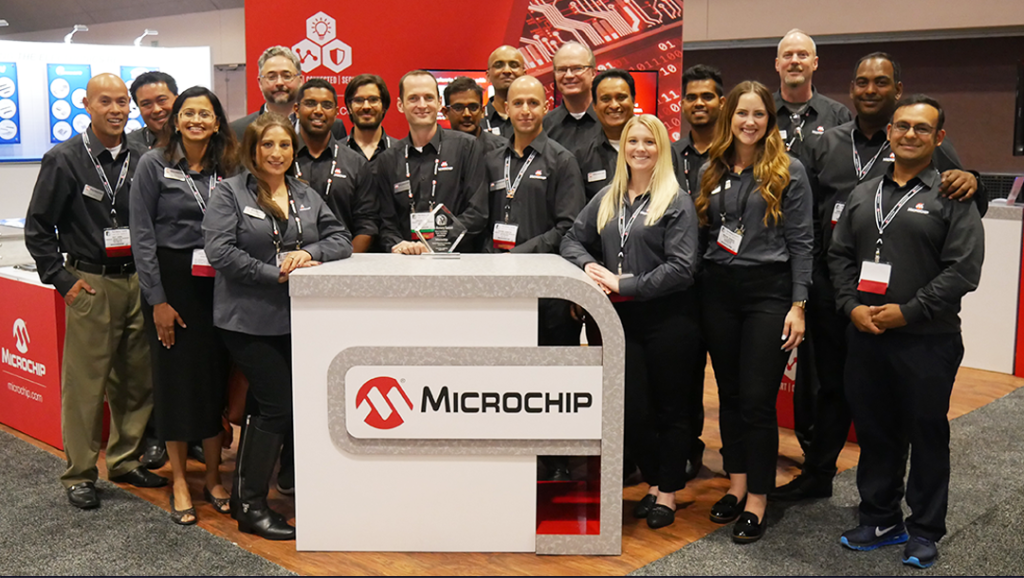
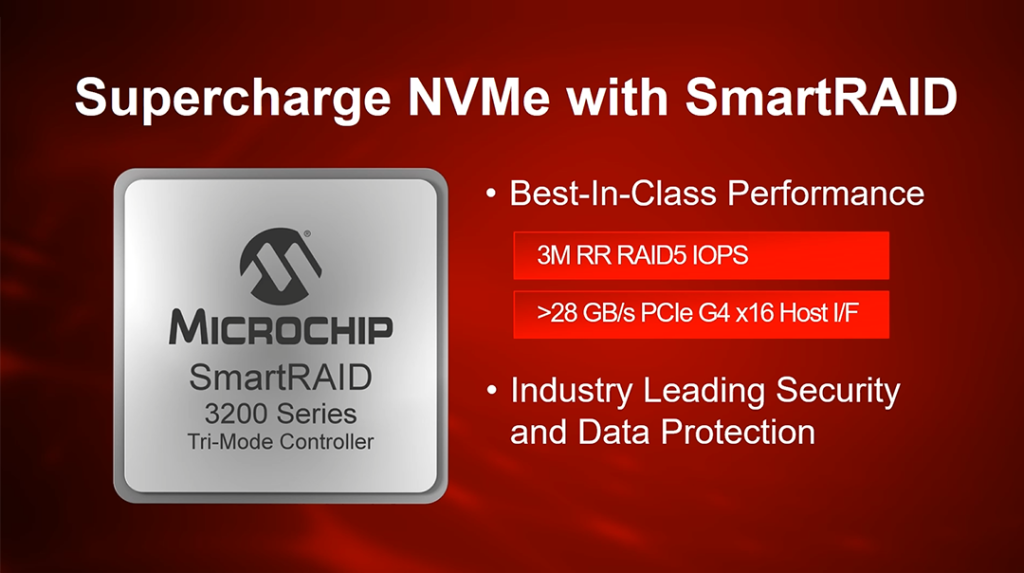
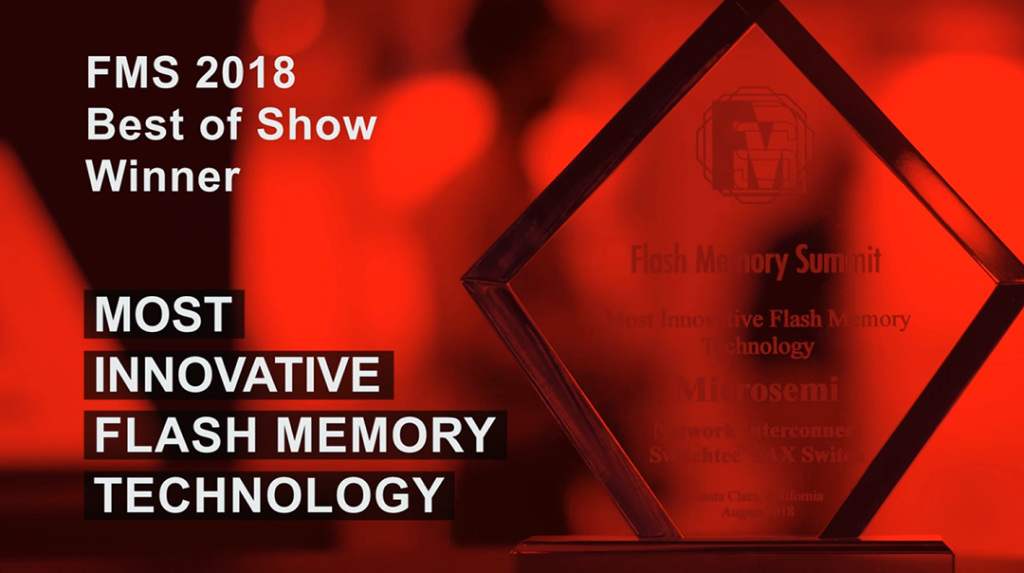
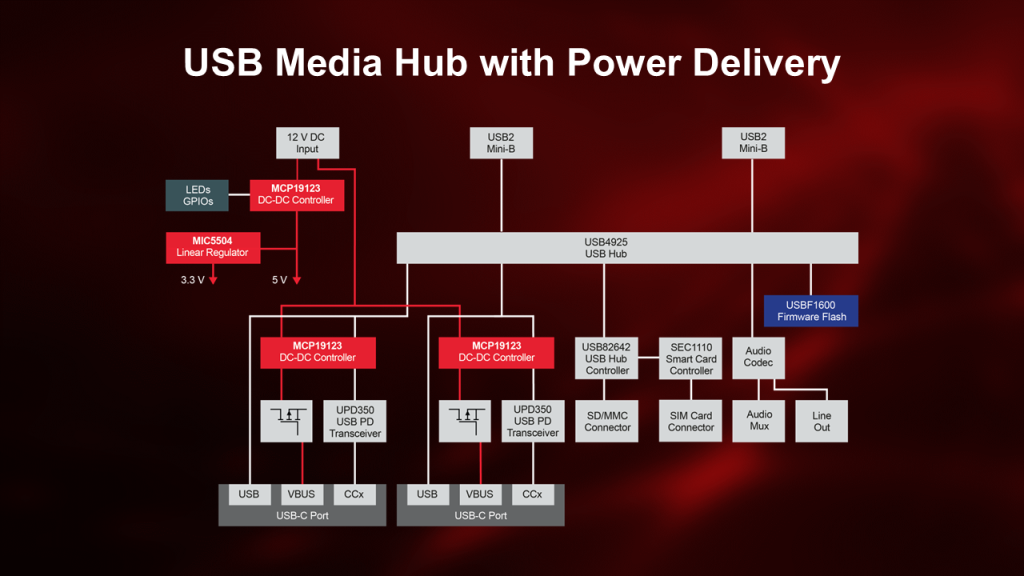
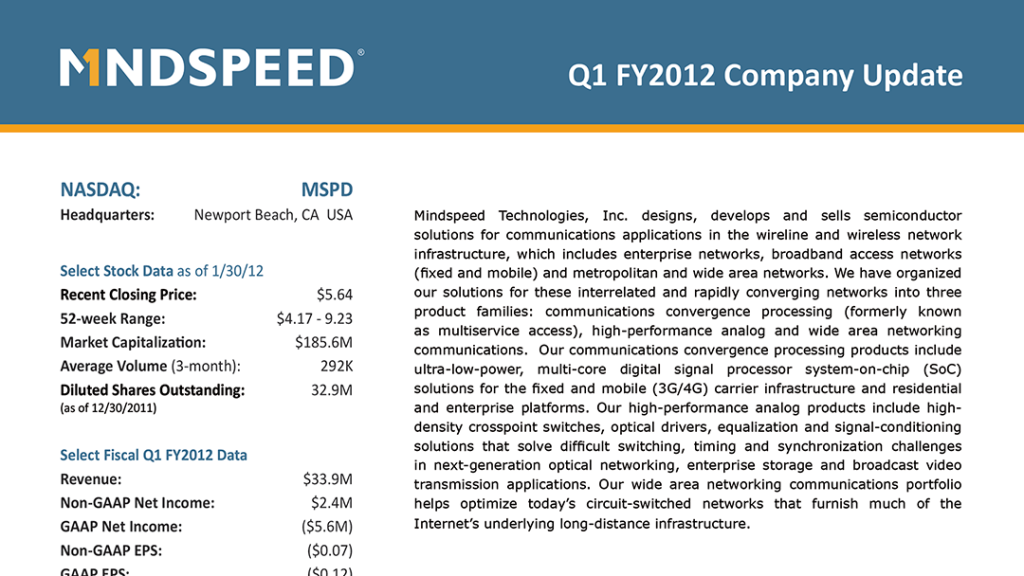
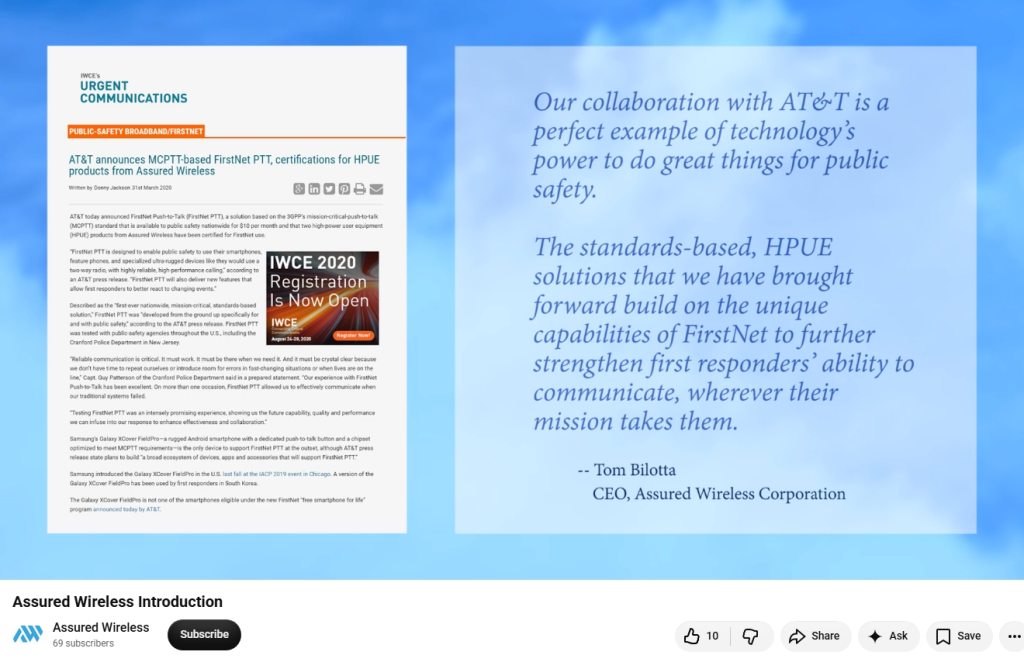
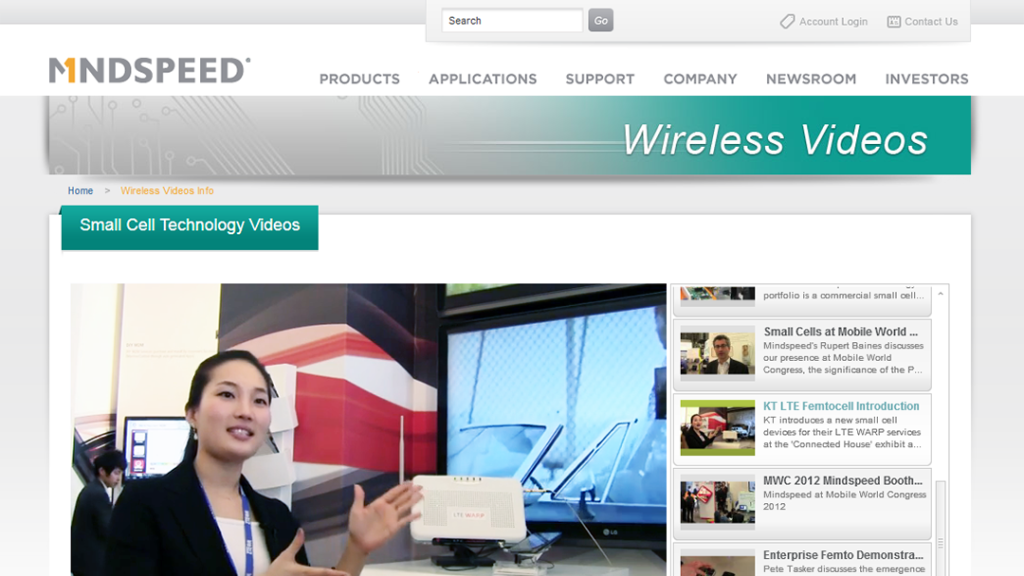
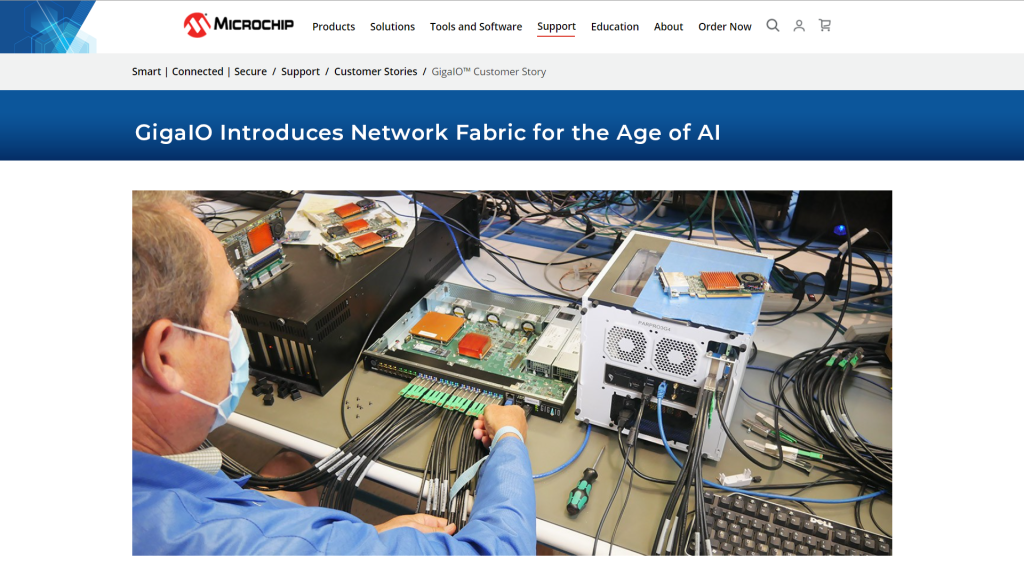
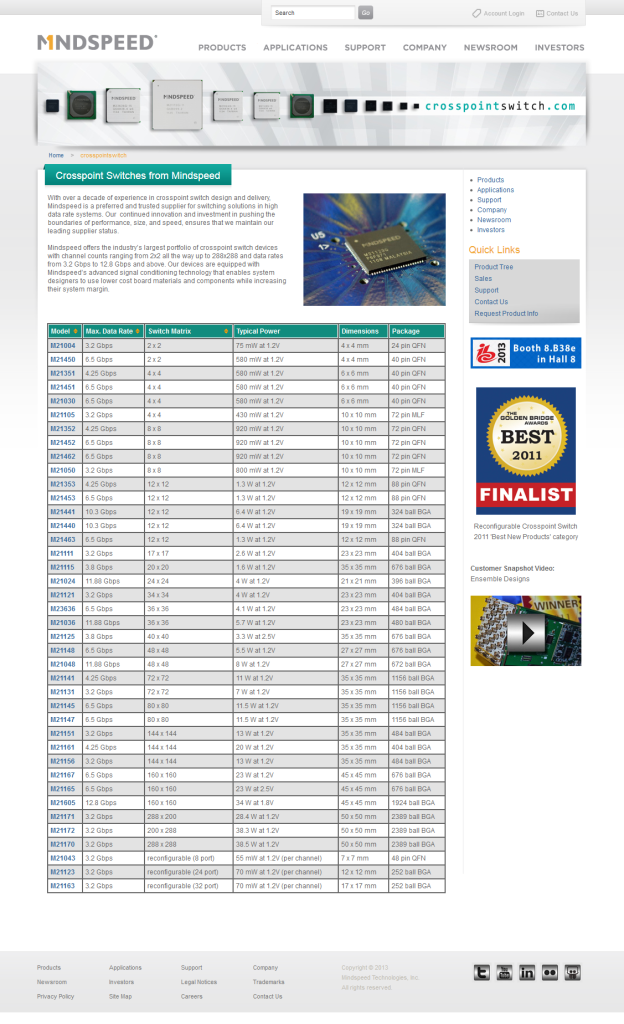
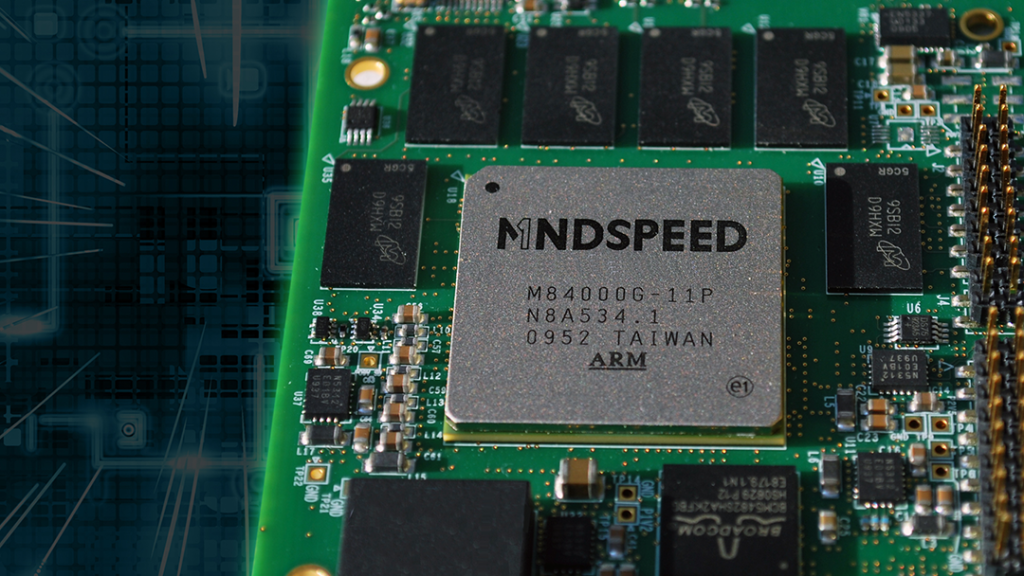
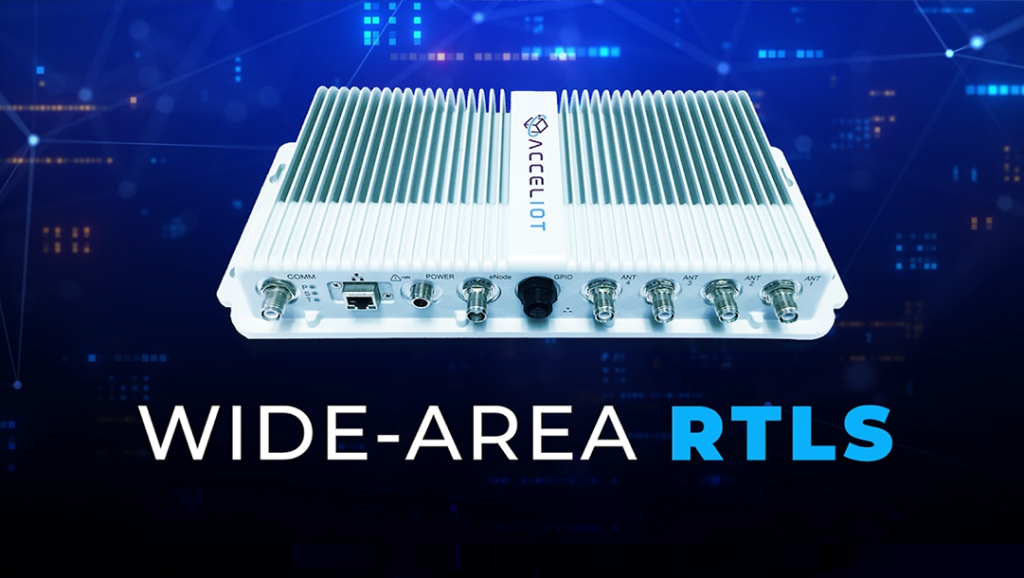
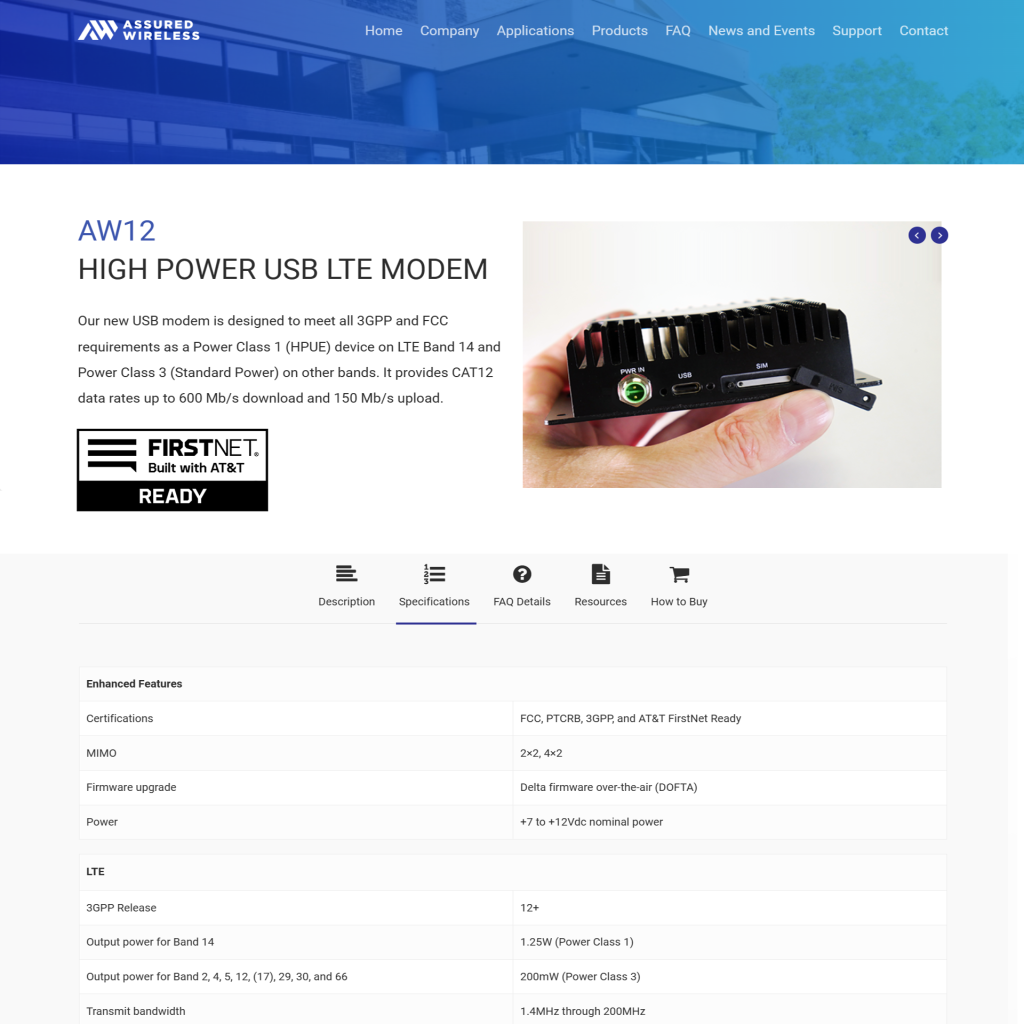
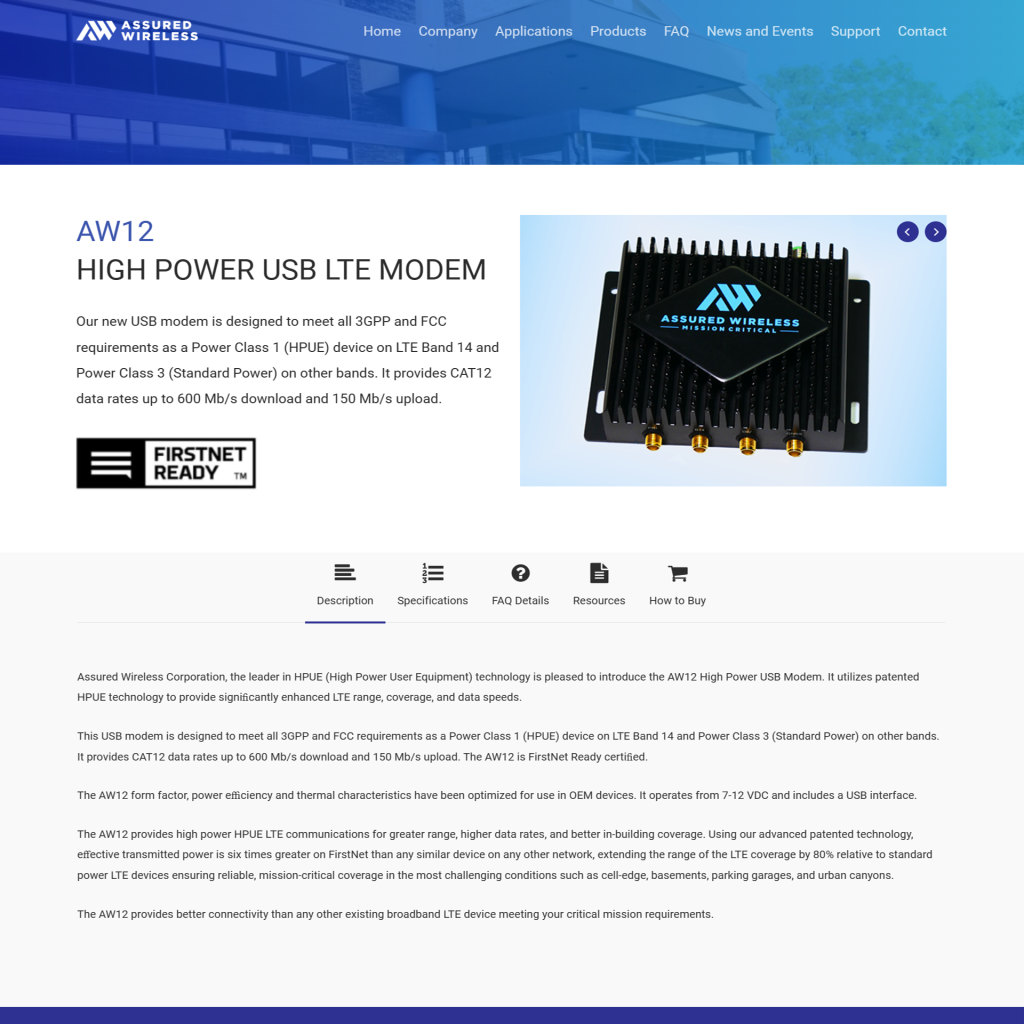
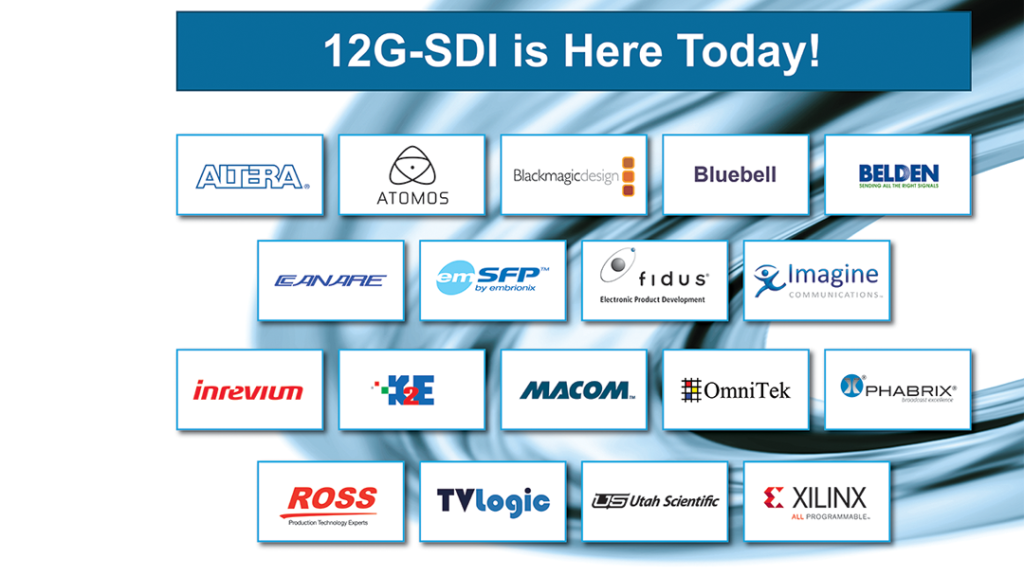
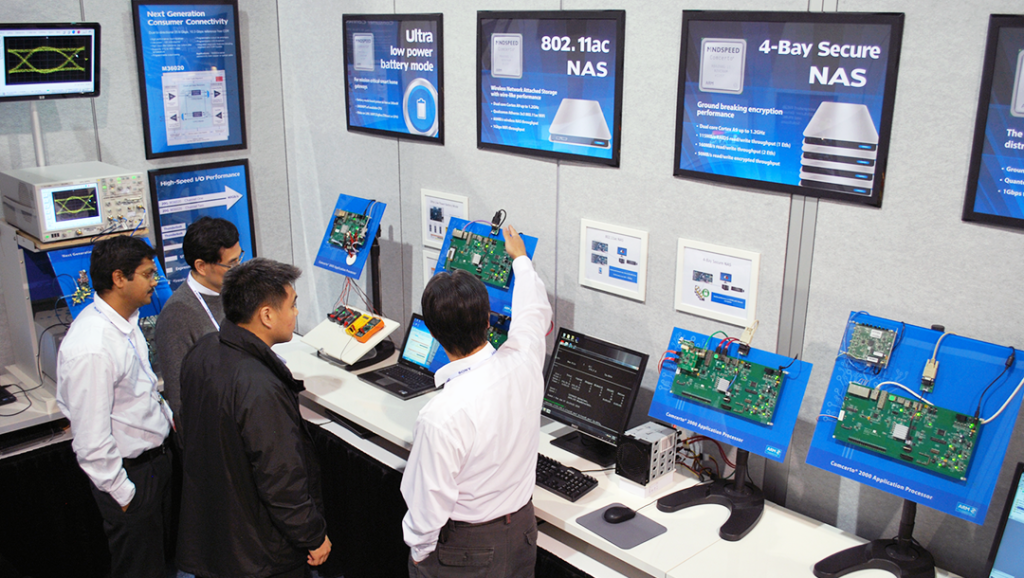
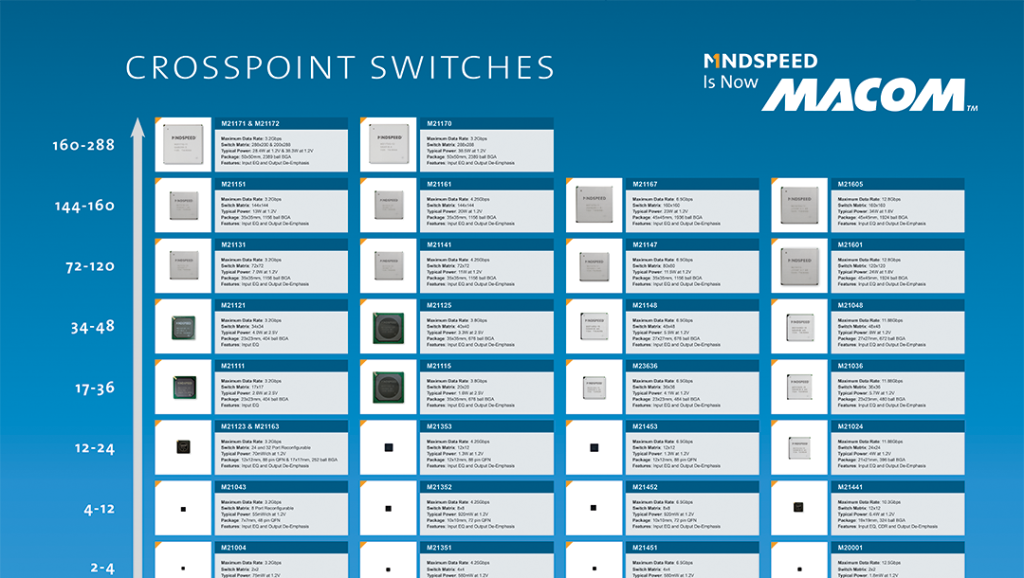
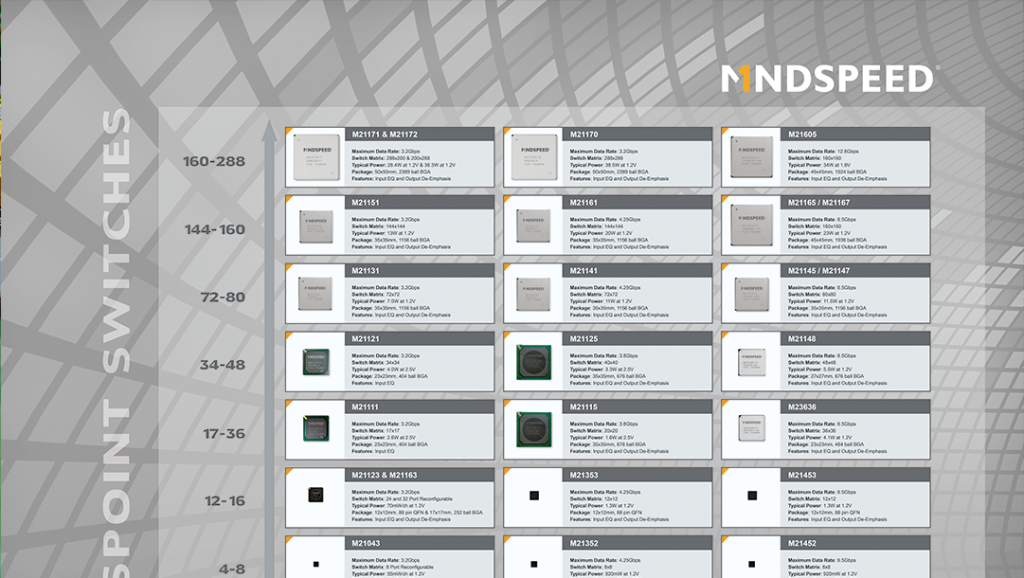
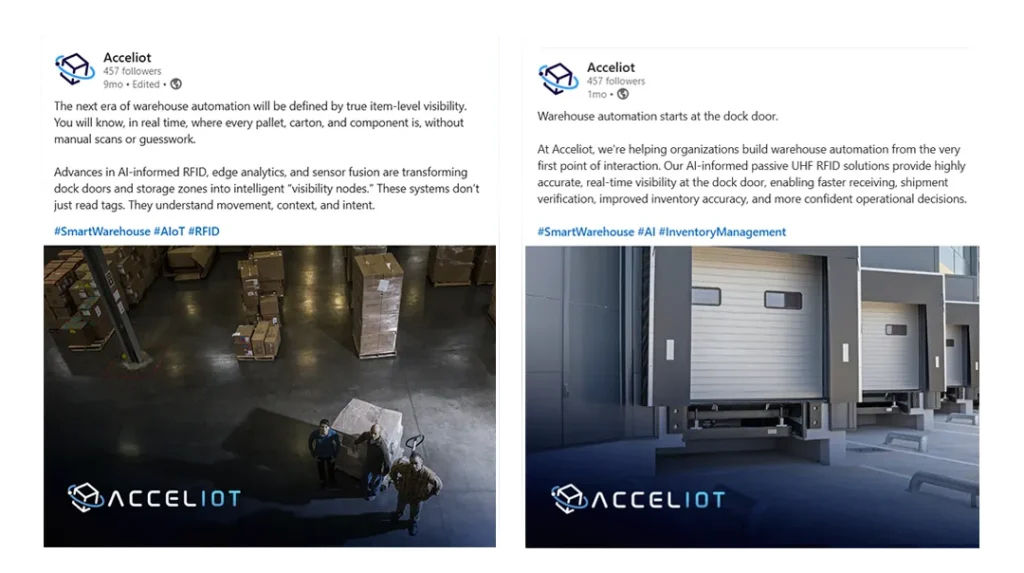
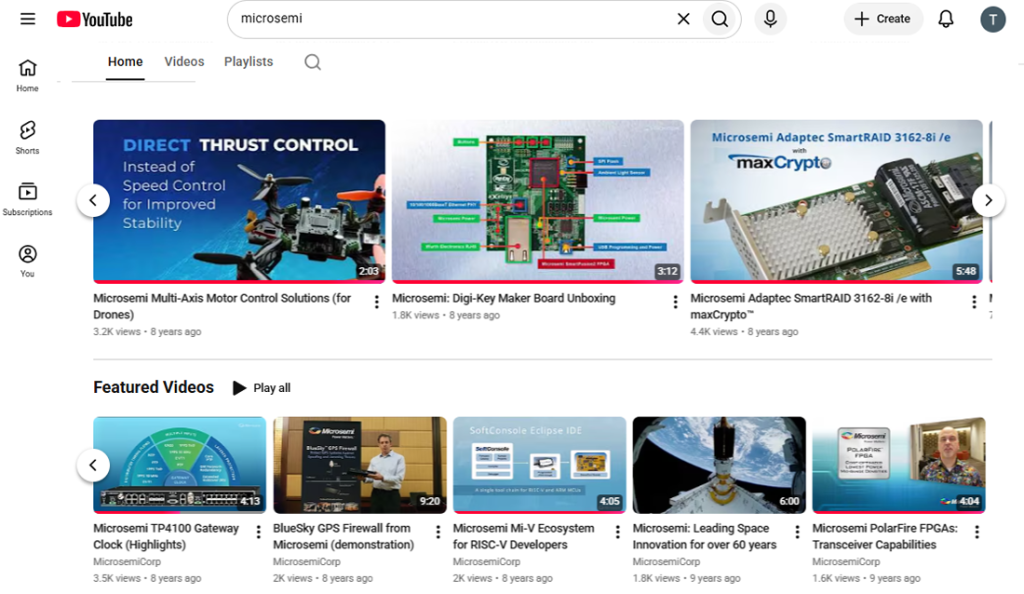
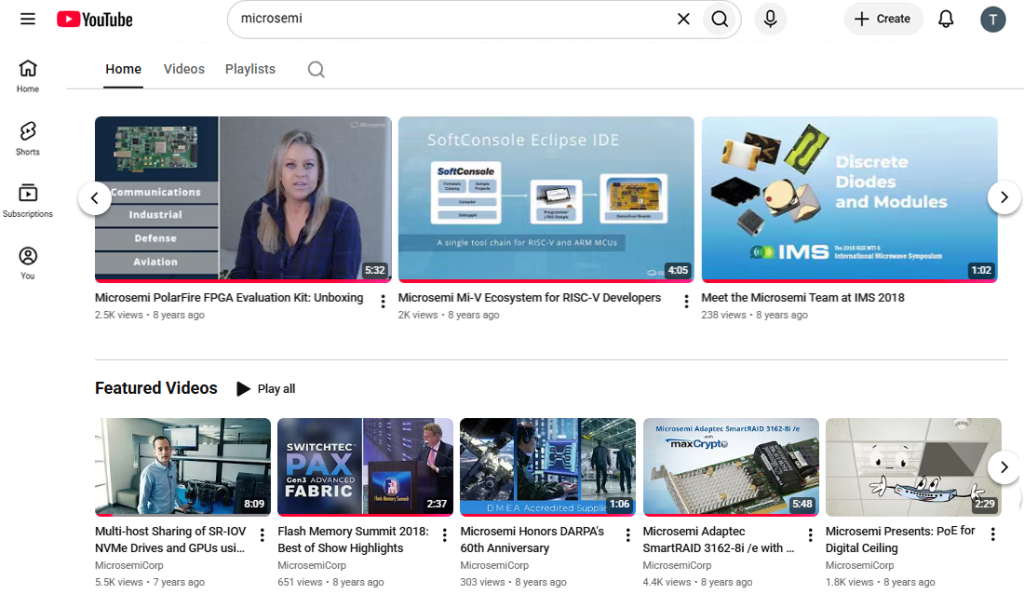
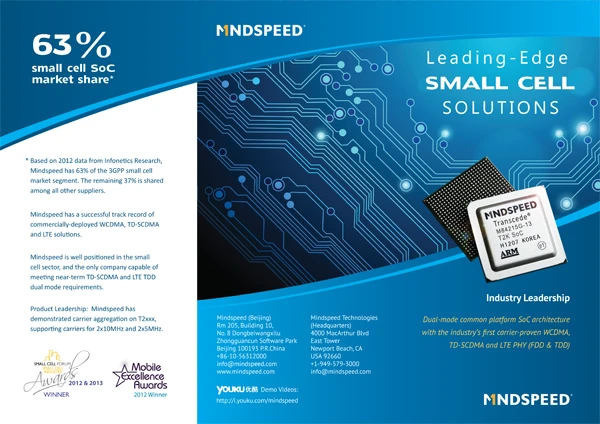
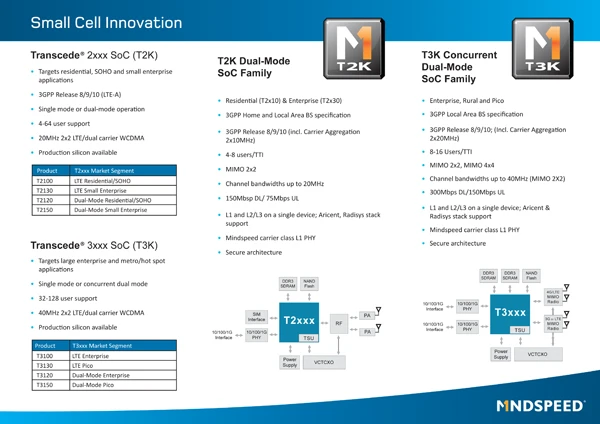
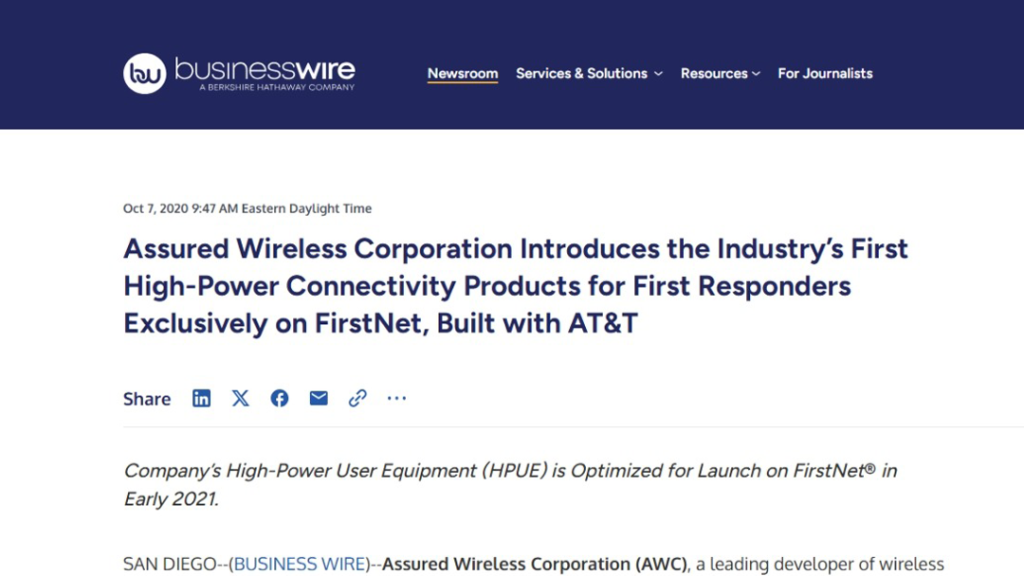
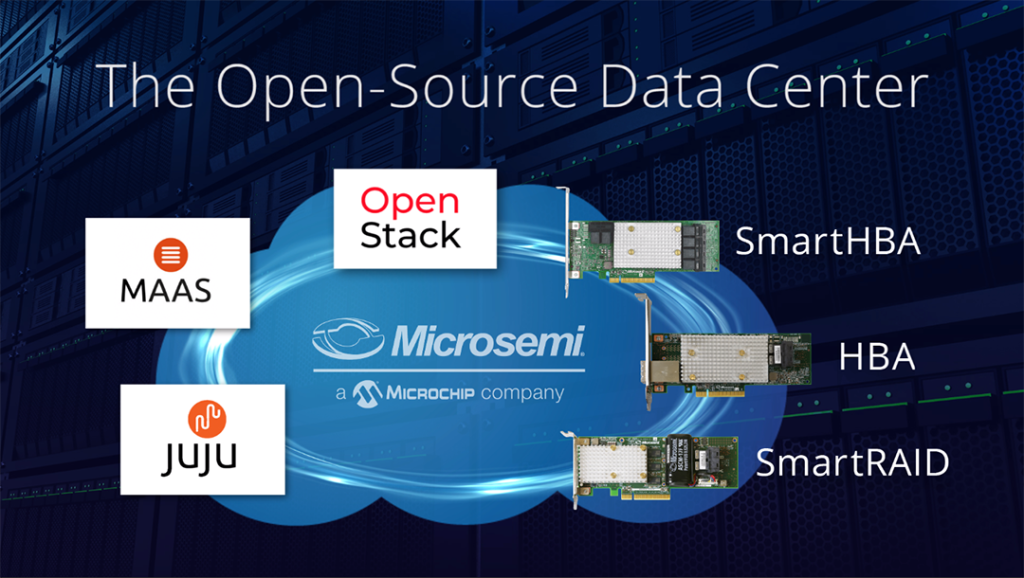
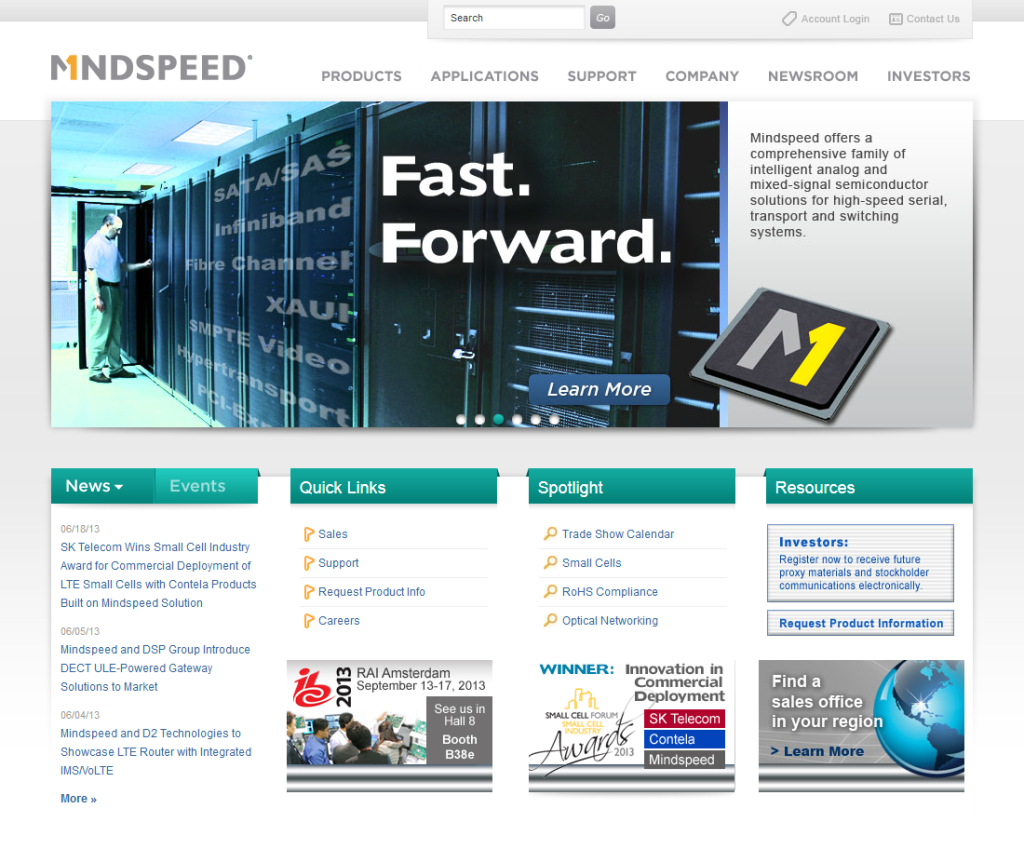
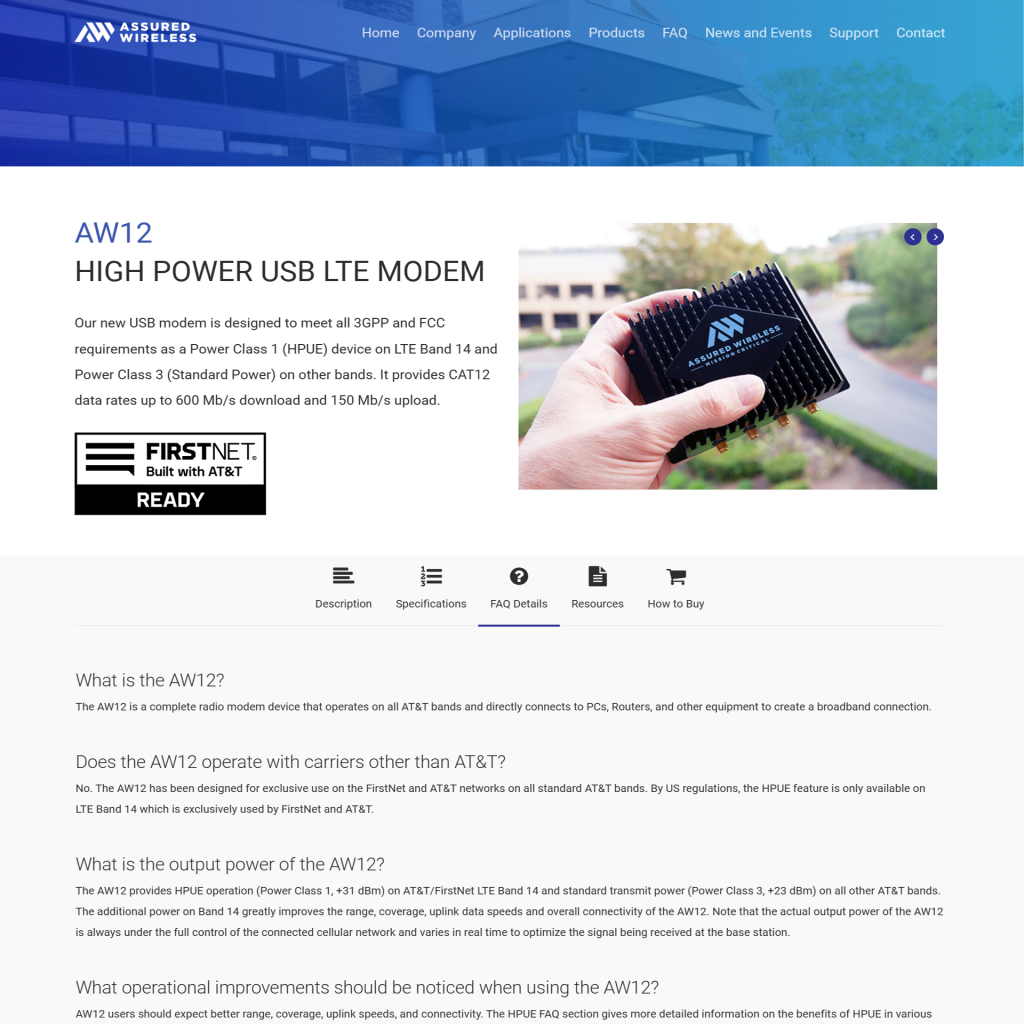
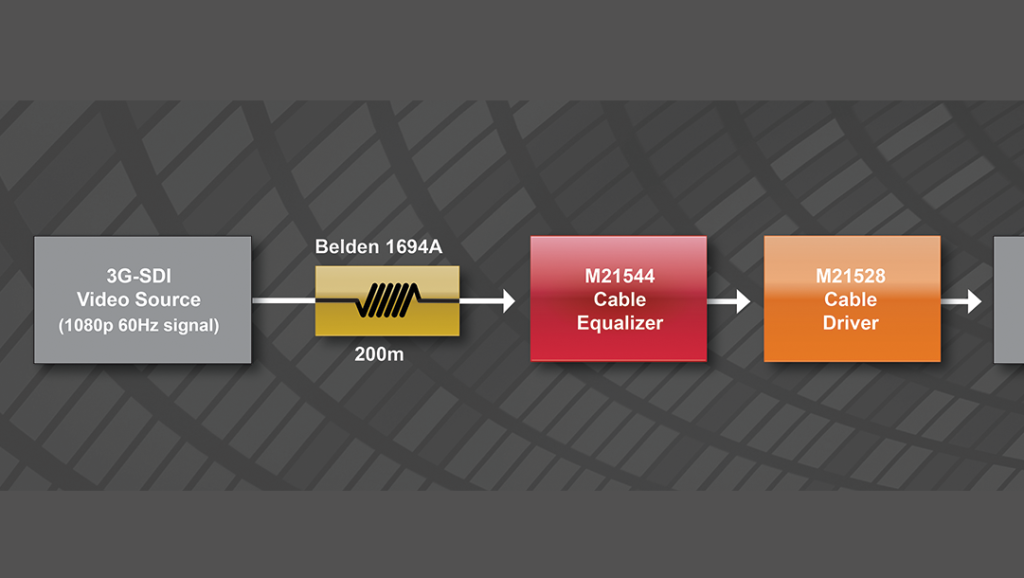
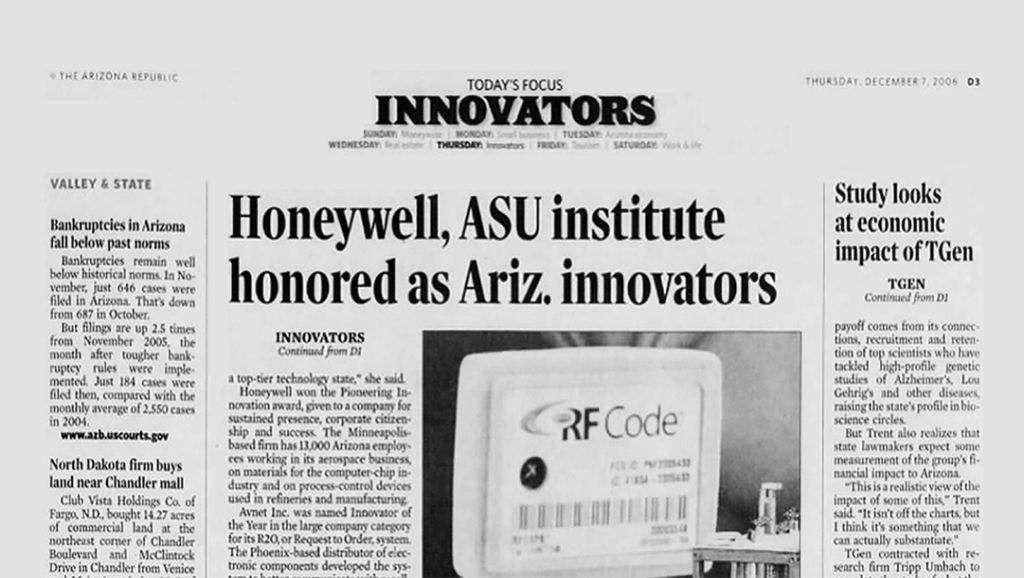
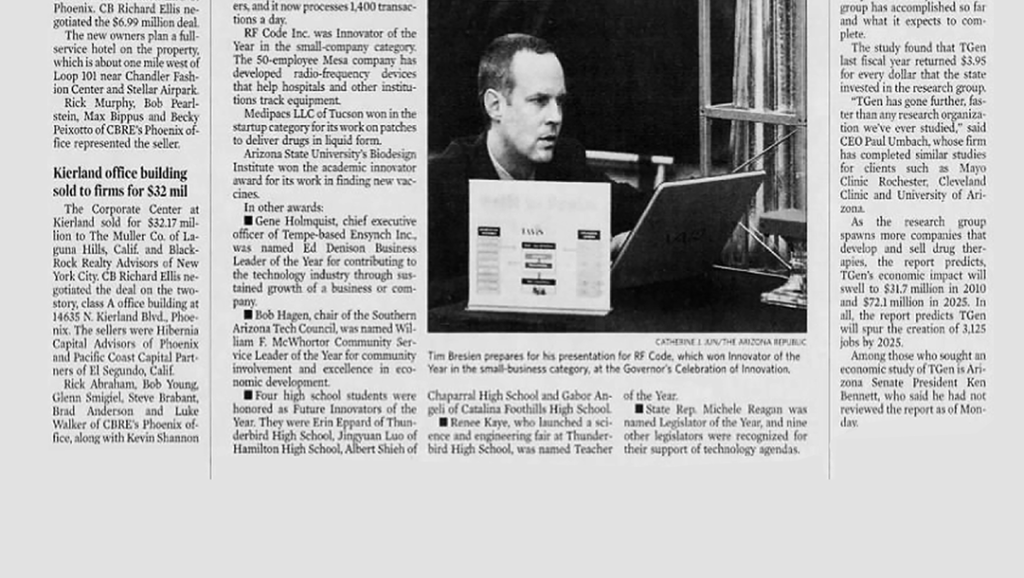
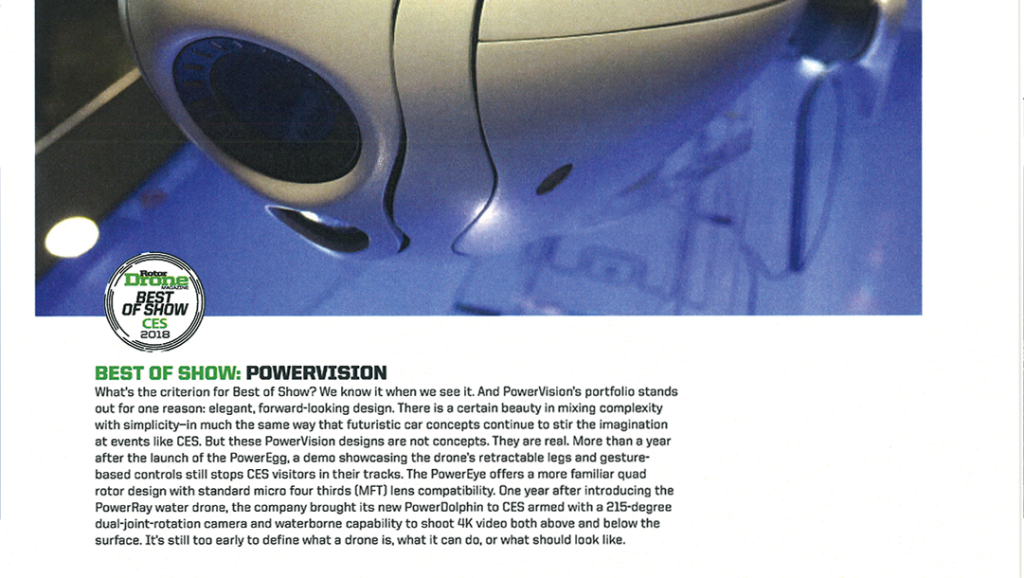
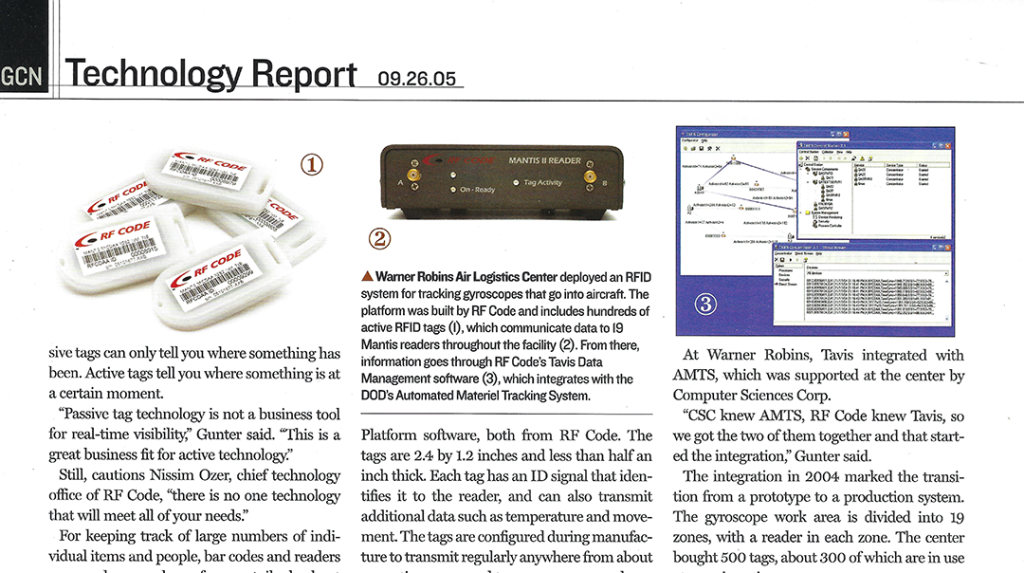
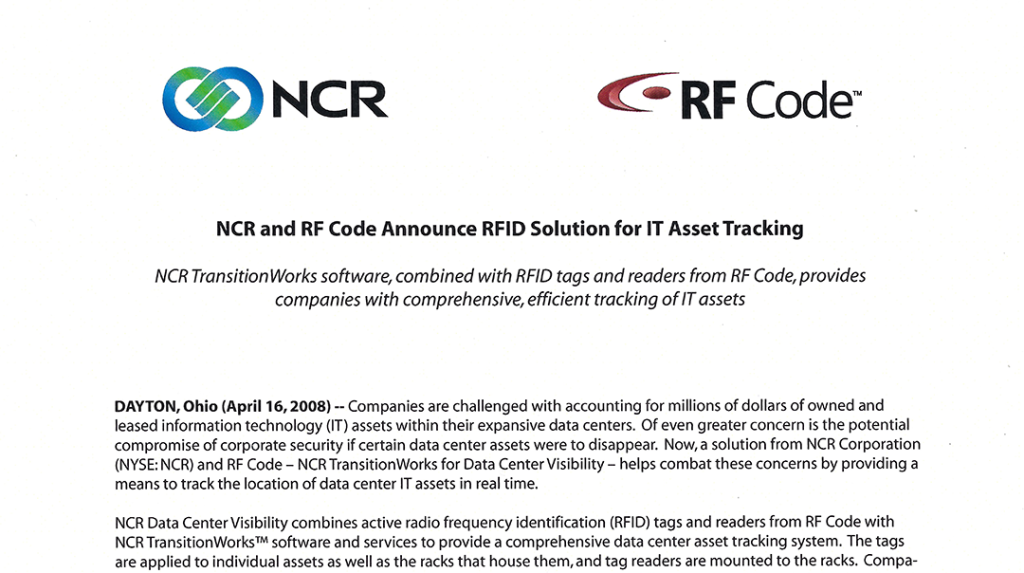
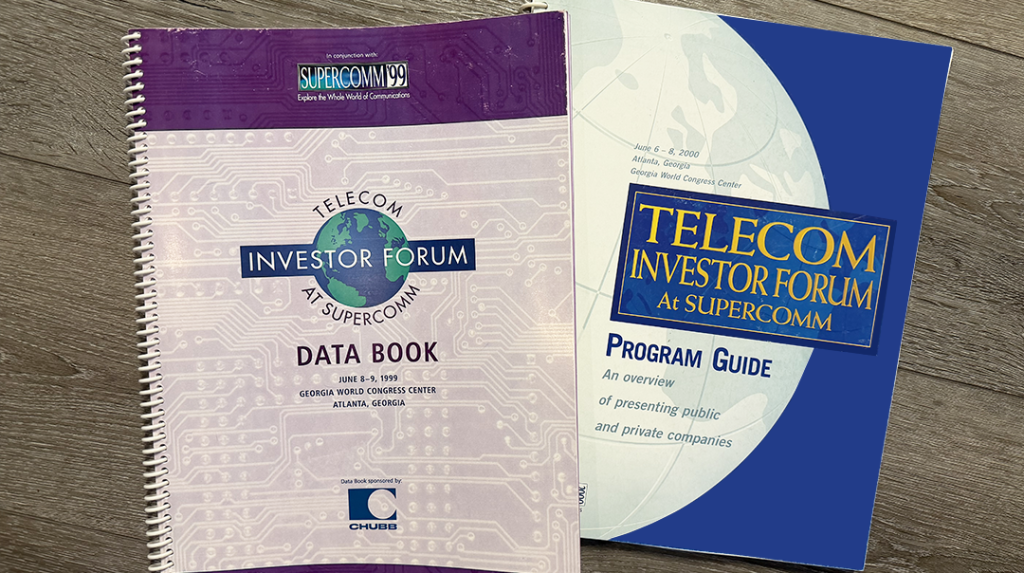
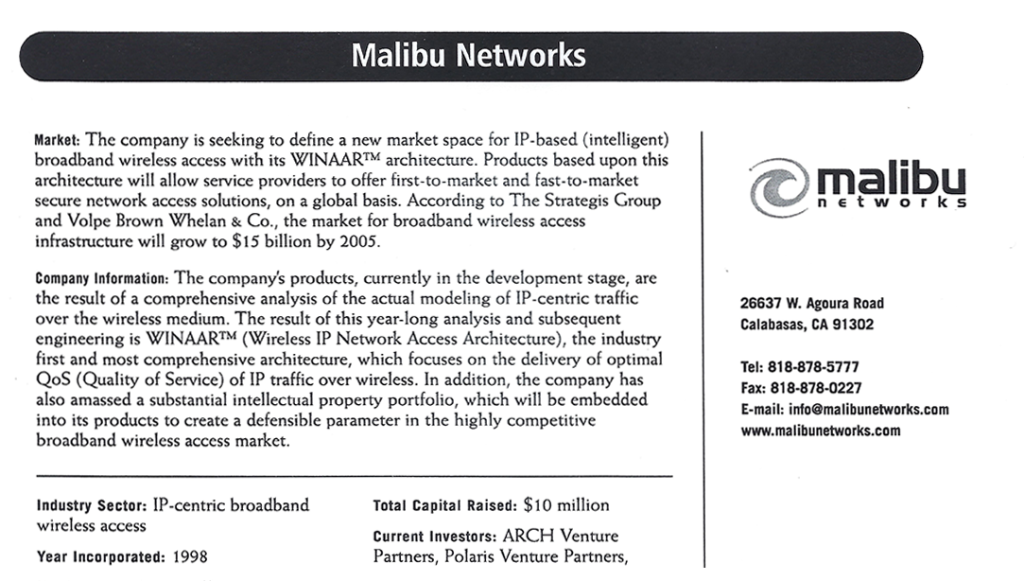
The images below are a personal record of that journey: some of the products, launches, articles, papers, videos, trade shows, customers, colleagues, technologies and places that have shaped how I think about bringing potentially disruptive technologies to the front lines.
Note: Work portfolio examples are from public video screenshots, websites (Archive.org) and published materials that I created, managed or directly contributed to.