

Physical AI Field Notes from Actuate 2026
A specialized technology stack is beginning to form around Physical AI. At Actuate 2026, developers got a close look at its emerging data, simulation, training, observability, compute and teleoperation layers, offering a glimpse of an ecosystem being assembled in real time.
There are a lot of layers to physical AI, and my head is still spinning from my trip to Actuate 2026 last week. The event, hosted by Foxglove and now in its third year, was billed as a developer event “for people who build robots.”
It was all of that for sure. And a whole lot more. Foxglove, the San Francisco-based platform builder who says their solutions help the new robotics ecosystem collect, organize, and learn from vast quantities of multimodal data, put on quite a show.
Physical AI has graduated from the lab to the real world, but scaling it is now the defining challenge for the industry, said Adrian Macneil, co-founder and CEO of Foxglove.
Making data actionable is how robotics companies scale from one robot to fleets, from simple automation to complex tasks, and from demos to production-grade reliability. Actuate brings together the people shipping robots into production to share how they operationalize robot data to improve autonomy and accelerate scaling.
Macneil and co-founder Roman Shtylman previously served in engineering roles at Cruise during the General Motors-funded robotaxi outfit’s early days. One footnote from Actuate is that the Cruise alumni network never seems to be far from the emergence of physical AI in the startup robotics sphere. There sure are a lot of former employees in next-gen companies. It’s a strange role reversal of sorts to see so much of the talent pool from the autonomous vehicle world serve as a feeder network for what’s coming in robotics (software in particular). When it’s all said and done, Cruise will have a mixed legacy, but this DNA element may be a positive.
FYI: This wasn’t a Foxglove developer conference. It was a Foxglove conference. True. And it served developers. Yes. But this was a wide open, category-defining meeting place … and that is a key distinction between Actuate and any traditional user group or customer conference.
Actuate is unusually interesting because Foxglove doesn’t make the event primarily about Foxglove. It invites competitors, customers, researchers, startups, investors and adjacent technology providers into the same venue. Walking the floor, I learned that there are a handful of like-minded startups that are also following a similar model with their own events scheduled for later in the year. It’s a sign of things to come. No doubt. Most astute marketers have heard some form of the mantra that every company should be their own media company. This “category conference” trend is a top-layer reflection of that concept.

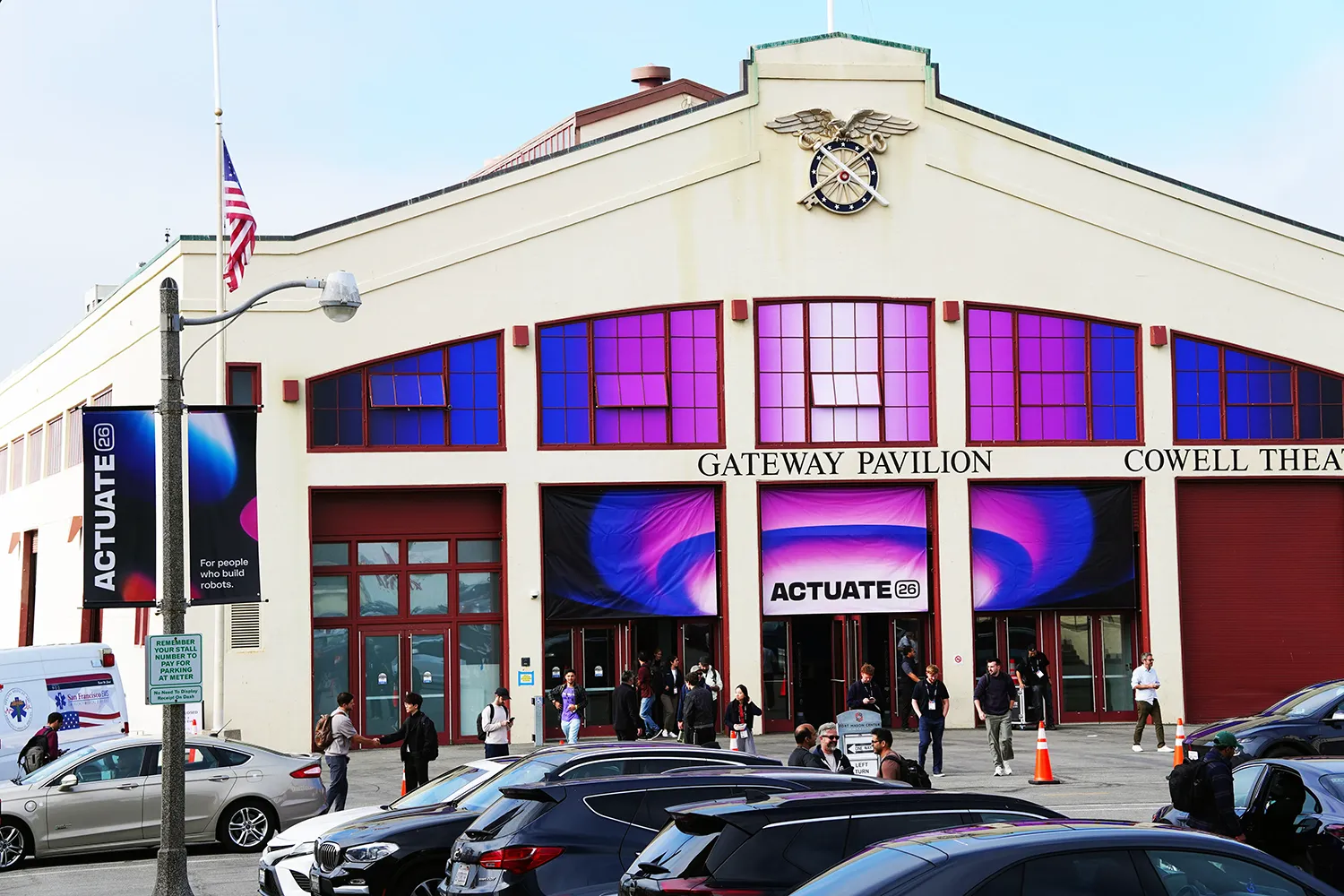
Now when I say that I walked the floor, I actually mean the 2nd floor mezzanine level of the Gateway Pavilion at the Fort Mason Center, located at Pier 2 at the northern edge of the San Francisco Bay.
Exhibitors ringed the outer walls of the facility looking down to the main level where most of the conference activity and food service presided. It’s a pretty cool facility for confabs like this considering it’s on the site of a former U.S. Army post and is right on the water.
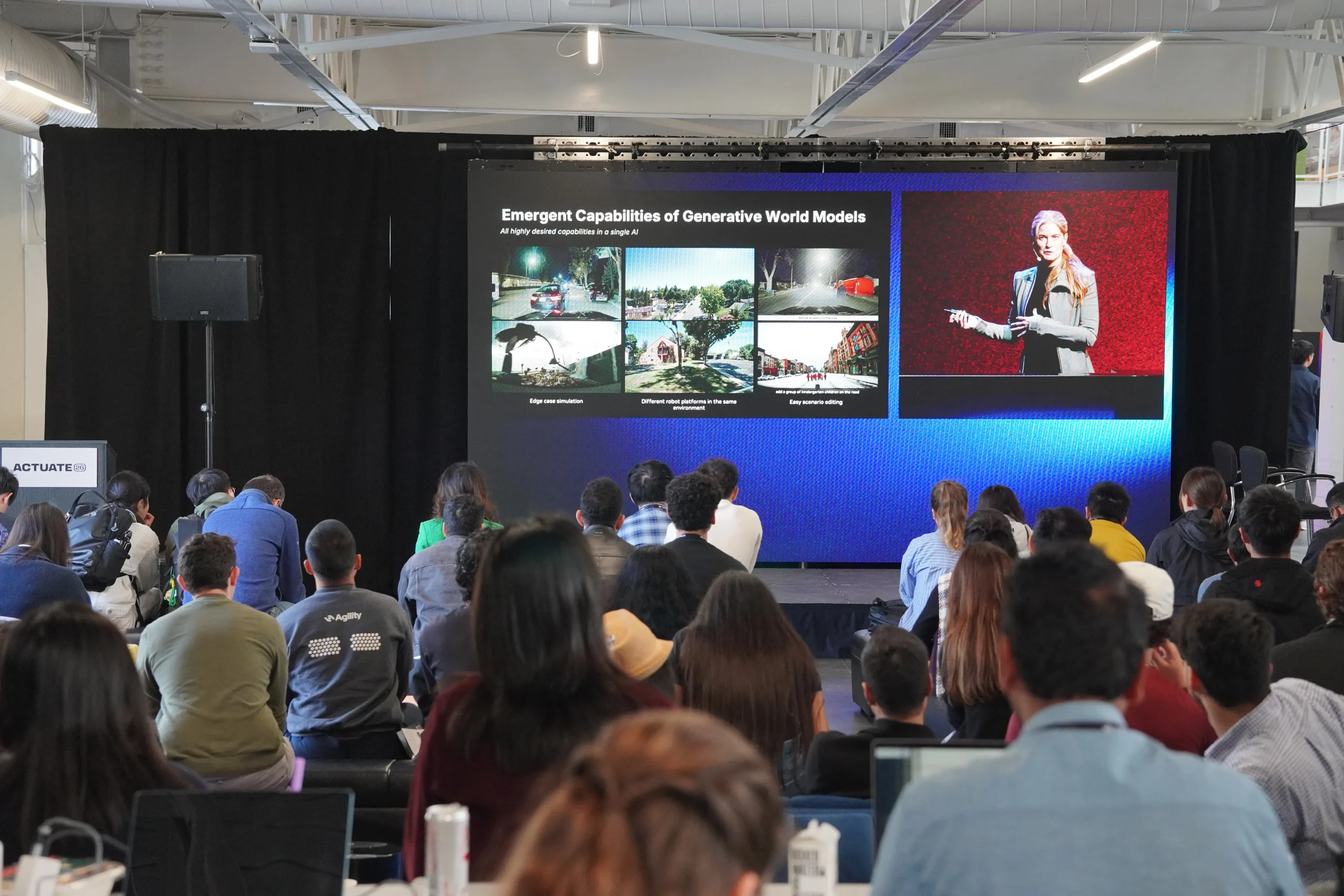
The Actuate team pulled a wide swath of the robotics and Physical AI worlds into Fort Mason for two days. The speaker list alone told you something about where the attention of the developer community has shifted: keynotes from host Foxglove, and Zipline and Physical Intelligence, a talk from luminary Sebastian Thrun (who namedropped his new stealth-mode startup: Dulo), and panels stacked with thinkers and doers from Nvidia, Google DeepMind, Wayve, Aurora, Shield AI, Genesis AI, Agility Robotics, and 1X Technologies. That’s a mix of self-driving veterans, drone operators, humanoid builders, and the big compute companies underneath all of it, sharing a stage but maybe not the same opinions on where we’re headed.

I spent my time on the demo floor. Watching. Listening. And occasionally asking what developers need as they build out their new wave physical AI architectures. Following here are a handful of my takeaways.
It’s a new kind of showtime.
You’ve already read my thoughts on the format. I’m onboard now, wondering where else this killer-category-conference-hosted-by-startup structure will pop up. It’s like the day I realized that the biggest data center conference in the world was VM World (when it was hosted by VMware) and not some traditional, horizontal trade show.
Today’s top mega-vendor shows from Nvidia, Microsoft, Amazon and Google now define dozens of important sectors annually and tower over many vertical industry shows that once served as center-of-the-universe gathering places. I just don’t remember seeing B-round startups taking a stab at creating the venue for important conversations like this. Watch this space.
If you’re in the business of robot data, business is good
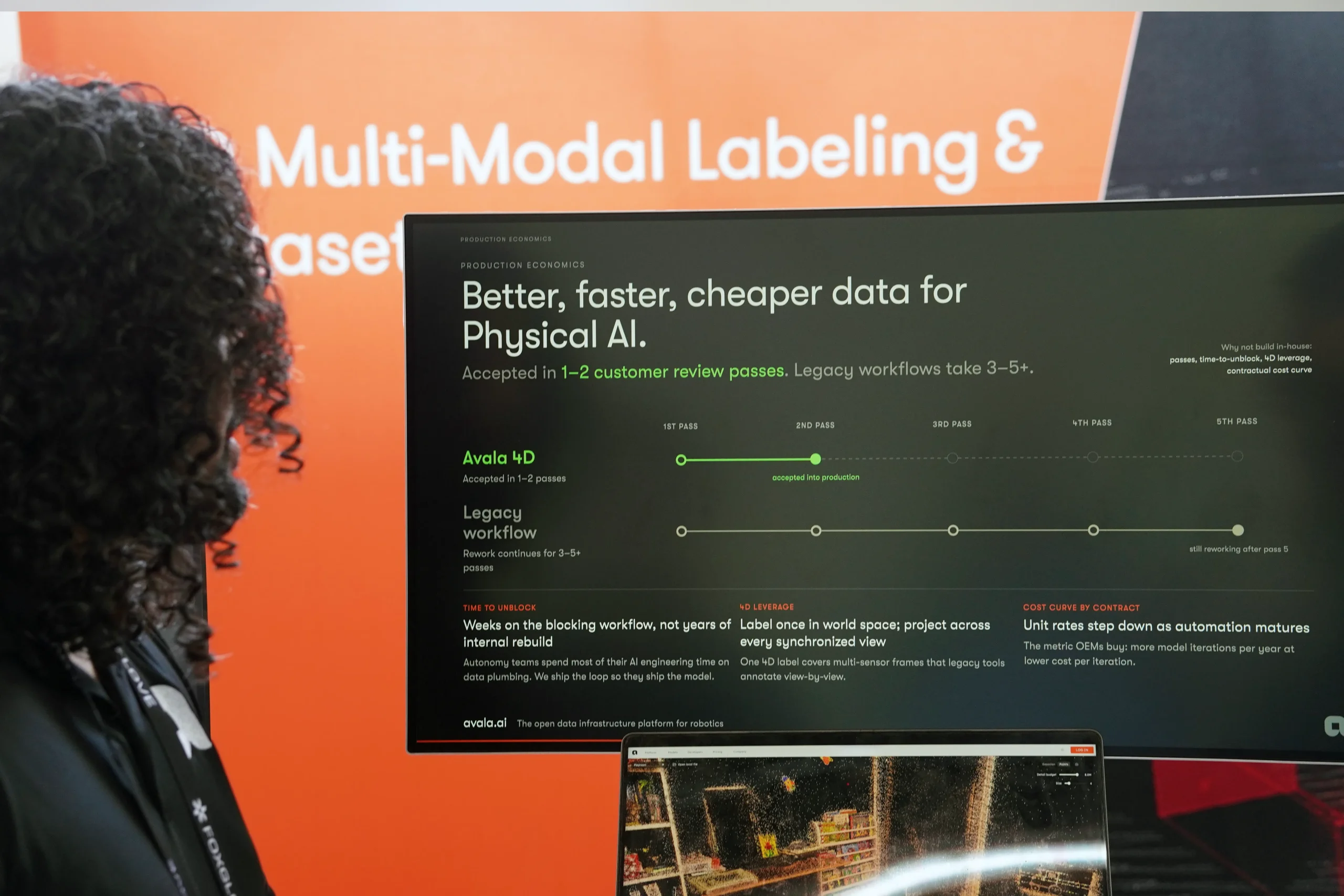
If there was one theme running through nearly every booth, it was data. Robots need mountains of real-world information to learn how to move through the world, and almost none of it exists in the right quantity. It has to be captured, labeled, and organized before anyone can train on it. Encord and Avala were two of the companies pitching platforms for exactly that: labeling footage, structuring multimodal sensor data, building the pipelines robotics teams don’t want to build themselves. Even general-purpose data infrastructure vendors are chasing this crowd now: LanceDB, whose database is used well beyond robotics, was there pitching developers on it as a way to store and search multimodal robot data at scale.


The real product is increasingly the learning loop
A few booths in, I noticed a pattern: a robot fails at something, the failure gets flagged, engineers pull the footage and retrain or resimulate, then ship an update and send the robot back out to try again.
That loop seemed to be the core offering that many companies were promoting to developers.
Flexion pitched developers a version of this built specifically for humanoids: software meant to turn simulated and real-world experience into more generalizable autonomy. It makes sense that whoever closes that loop fastest, turning a robot’s mistakes into a better robot, has added real value.
Most robot-learning strategies will rely on simulation and synthetic data, supplemented selectively with available real-world data. And what’s available needs to be leveraged for all its worth, with the right workflow around it.
Some of the smartest minds in robotics are now working on how to capture, combine, manage, and make all of those different sources useful for builders.
Collecting AI data is an ongoing activity
Maybe it is old man syndrome (me), but I cringe at television commercials for photo apps that can remove unwanted objects or people on demand. To me, that is saving a memory of something that never actually happened. Developers may be facing the opposite problem. Most of what a robot needs to learn has never been recorded in the first place.
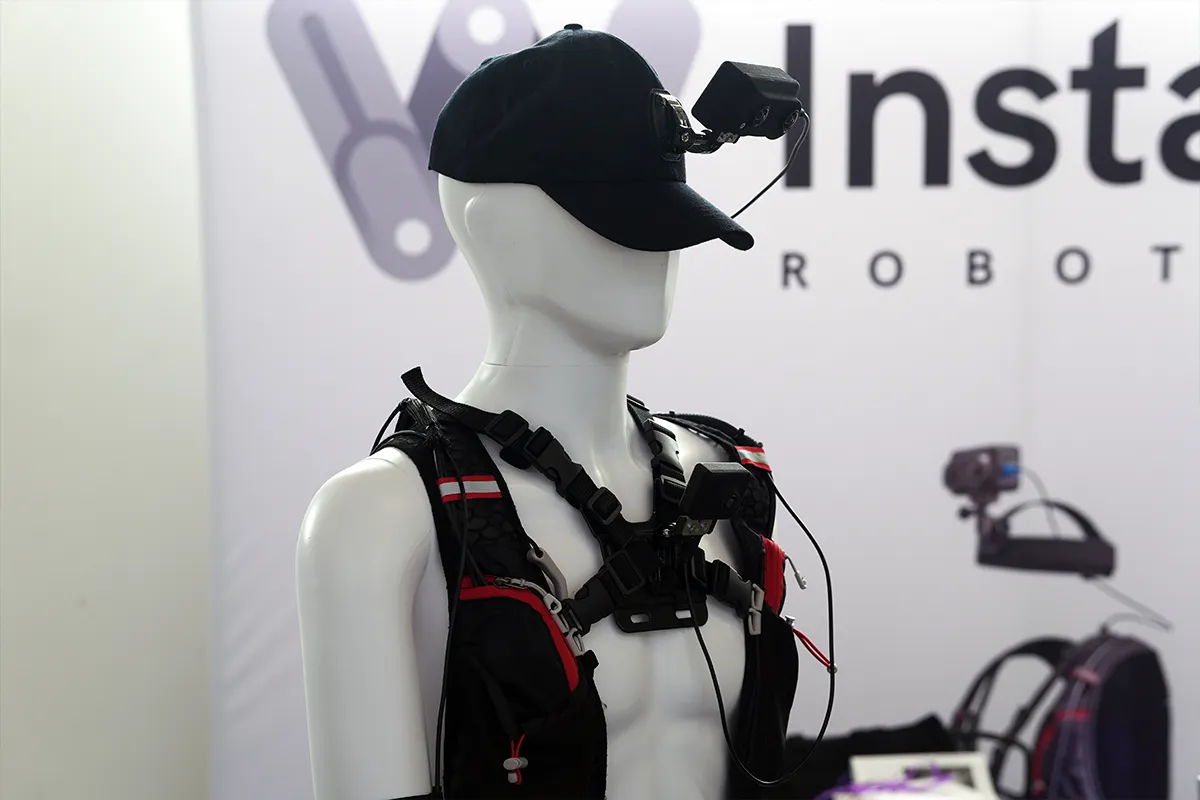
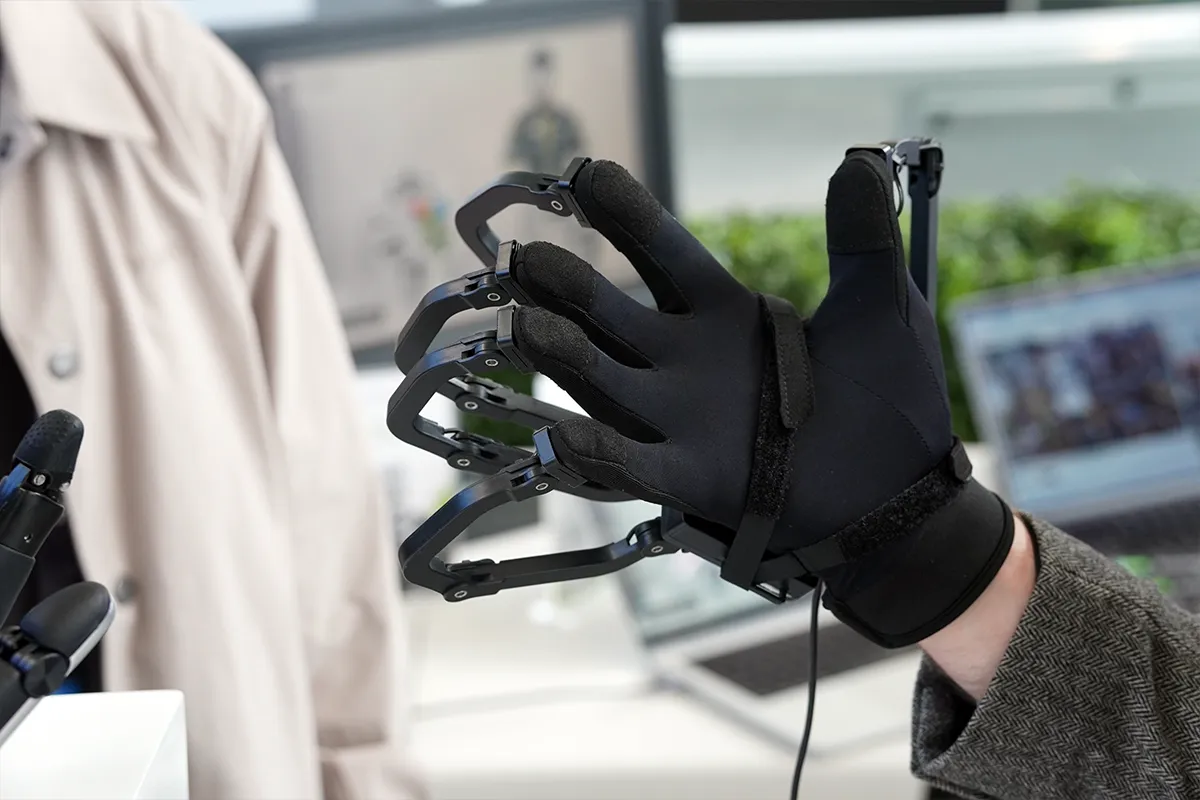
So at Actuate, new data collection schemes included many forms of wearable cameras, humans demonstrating tasks on camera, operators driving robots by remote control through tricky maneuvers, and engineers deliberately trying to make robots fail because failures are the most valuable footage.
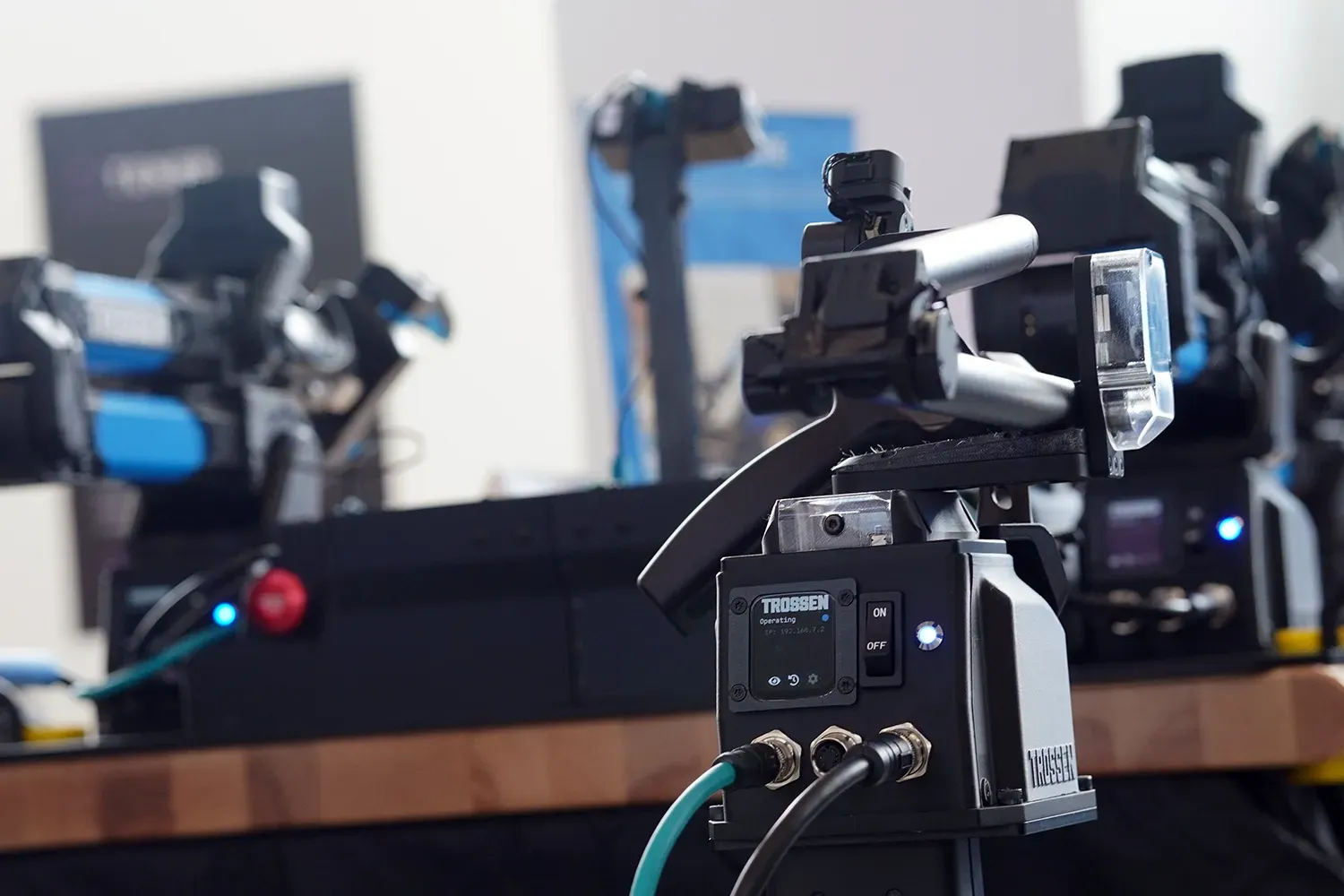
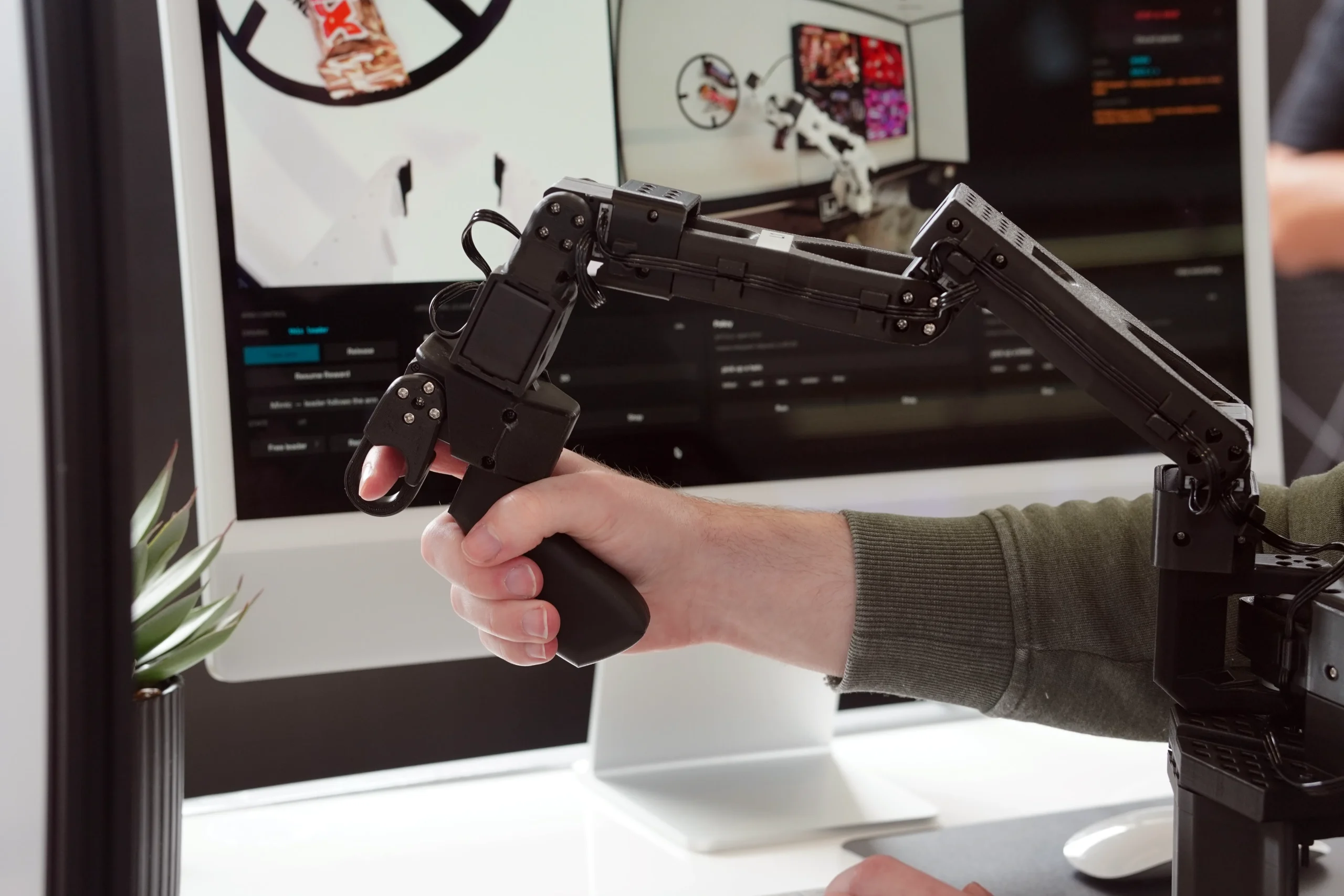
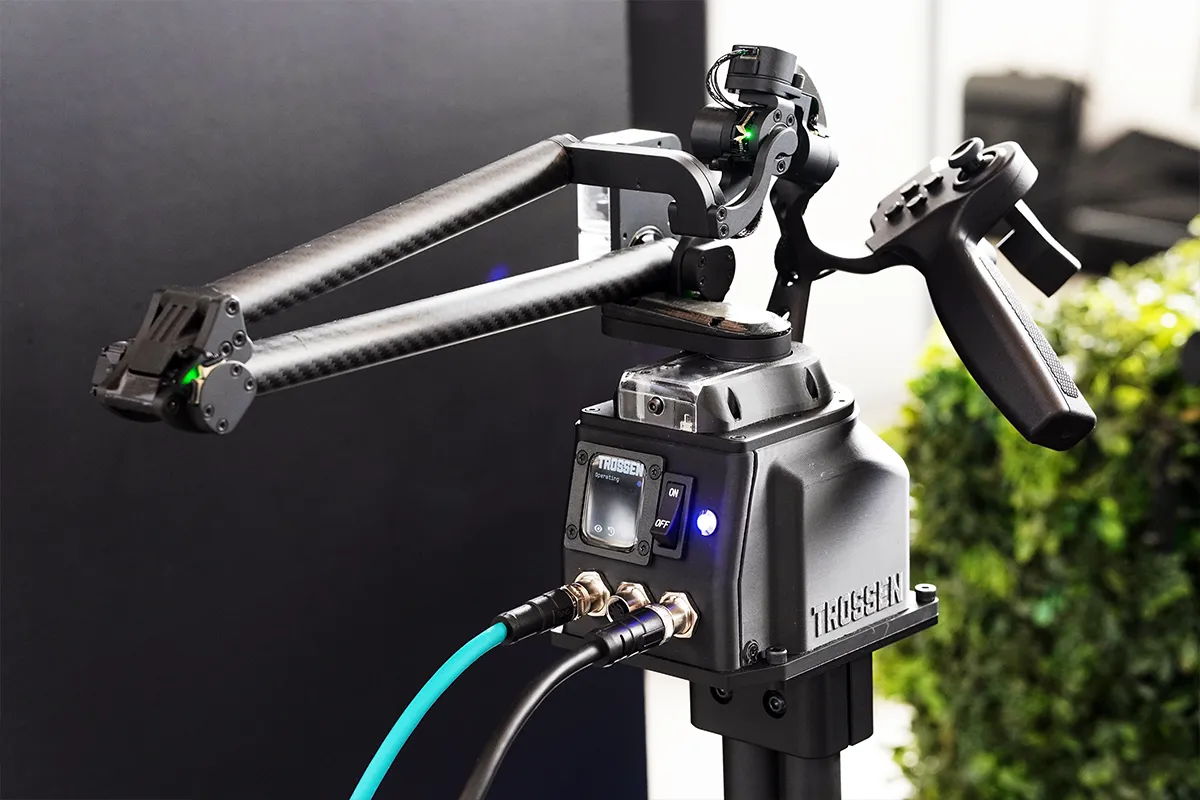
Trossen’s teleoperation rigs were a good example. Sold directly to the researchers and developers, they’ll be used to hand-guide a robot through a task so it can later imitate the motion on its own.
Uber AI Solutions was on hand to promote their data collection and labeling as a service, and Instawork was pitching robotics teams on gig workers who’d wear cameras to record themselves doing ordinary physical tasks. General Intelligence Labs took the wearable-camera idea a step further, selling developers an egocentric capture headset built specifically to record people doing dexterous tasks, hands and all. It’s less like pulling from a database and more like filming a very long, very specific documentary. By the way, ego-centric just means the view from a human perspective. Like your own sightlines of cutting the food on your plate or folding your laundry. You won’t get through a physical AI developer conference without hearing that term a hundred times or more.


Simulation as a training ground
Simulation used to be for testing: building a virtual world to check whether a robot would behave correctly before trusting it with the real thing. Now it’s flipped, and simulated environments are increasingly where robots learn in the first place, with companies like Lightwheel and Antim Labs selling platforms built to generate training experience rather than just validate it.
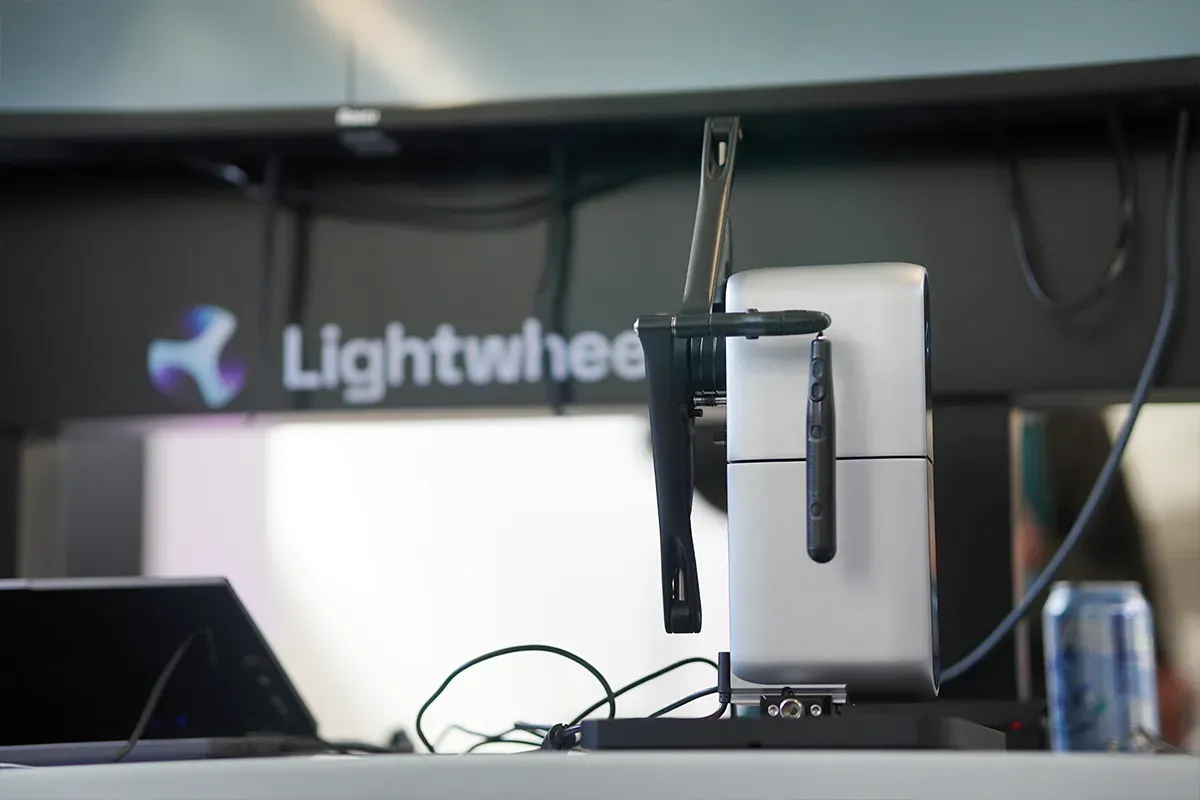
Lightwheel made the simulation story tangible with a robotic arm and a microwave. The point wasn’t that opening or operating a microwave is particularly impressive. It was that the physical appliance could be recreated as a physics-aware simulation where robot behavior could be trained and evaluated before being brought back into the real world.
Eka Robotics, one of the speakers on the agenda, showed what that can produce: a foundation model they call Vision Force Action, or VFA, trained almost entirely in simulation rather than on human demonstration videos. It’s built to give robots the kind of physics-oriented feedback they need for delicate, contact-heavy work like assembly. (Jargon watch: VFA, another acronym to remember).
Moonlake, for one, is selling developers tools that generate plausible physical scenarios instead of requiring an engineer to hand-build every detail. The appeal is obvious: real-world robot experience is slow and expensive, and simulated experience can be cranked out at a much bigger scale.


Robot observability is becoming its own software category
Building a robot is one problem, and figuring out what it did wrong after a thousand hours in the field is a different one entirely. Foxglove used the venue it created to make that case with a real product announcement. It introduced an AI assistant that lets an engineer describe a behavior in plain language and have it hunt down matching footage or build a dataset automatically, along with a mode for comparing multiple robot runs side by side to spot what changed between versions. The headline feature was semantic search, built with Nvidia’s Cosmos video-text model, which can scan a fleet’s raw, unlabeled footage for a described behavior instead of requiring anyone to have labeled it first.
Foxglove also rolled out real-time remote streaming of a robot’s sensor data straight to a browser, so a field issue can get diagnosed without a truck roll (one of my favorite telecom terms from years past).
Peridio was pitching a related angle, selling teams on the device management and over-the-air updates that keep a whole fleet’s software current. The questions engineers are asking sound a lot like the ones that built the cloud-monitoring industry: what happened, why, has it happened before, did the fix work. Except a robot’s version of “down” can mean a machine stuck in a hallway, something dropped or broken, or maybe a device bursting into flames, not just an error page. Technologists love to address the edge cases.


The speed merchants
Some of these companies seemed to be selling developers the same thing: speedier development cycles.
Strip away the branding and a lot of the tooling at Actuate was solving the same basic problem: cutting the time between an idea and a robot trying it out in the real world. Bifrost was pitching itself almost literally that way, running thousands of parallel policy evaluations and returning results in about thirty minutes instead of days. Antioch is chasing something similar on the simulation side, building infrastructure meant to make testing a robot’s software feel like a quick iteration instead of a multi-day ordeal.
Anyscale was there representing the distributed computing layer. Built around Ray, its platform is designed to help AI teams distribute demanding training, inference, simulation, and data workloads across large clusters without having to engineer all of that orchestration themselves.
Nebius was pitching further along the stack: AI-native cloud infrastructure and access to large-scale GPU compute. For robotics companies facing increasingly compute-intensive model training, simulation, synthetic data generation, and inference workloads, the proposition is straightforward: get the GPU capacity and supporting infrastructure needed to scale without building and operating your own compute environment.
That was also a broader theme across the infrastructure vendors at Actuate. The competitive pitch wasn’t primarily about making any particular robot smarter. It was about shortening development cycles by making data easier to manage, compute easier to scale, simulation easier to run, and models faster to train and deploy. The emerging robotics stack is increasingly being sold on developer velocity.
The physical layer in Physical AI
For most of robotics history, the hardware could do more than the software could handle. Engineers built capable machines that just weren’t smart enough to work outside a controlled single-task setting.
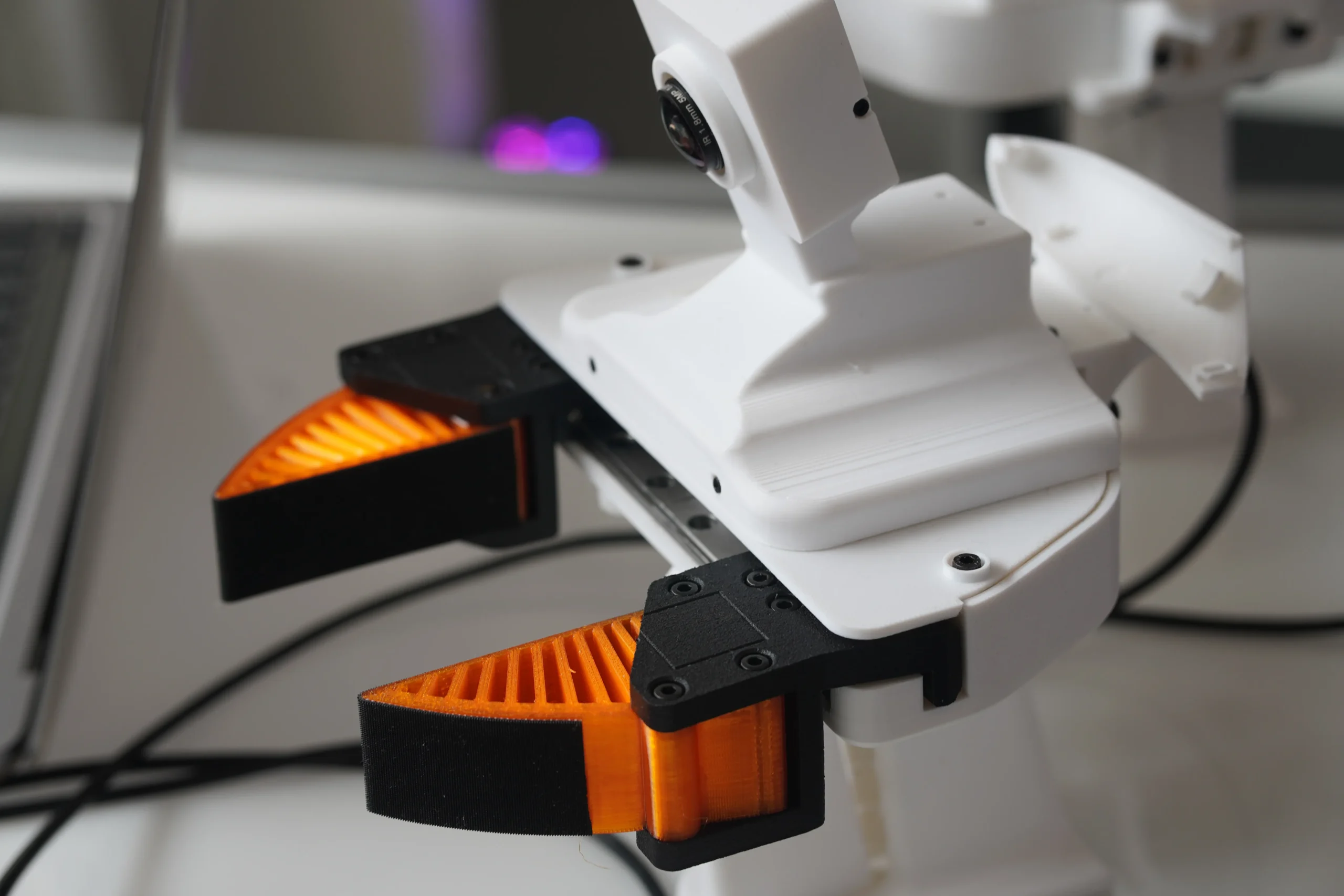
That’s flipping. There are now a lot of people trying to build smarter robot brains and comparatively few cheap, reliable, dexterous bodies to embody them in. This is the gap companies like Dexmate and Hello Robot are proposing to fill for developers.
As the rest of the Physical AI stack matures, I would expect more dev-oriented robot makers, component suppliers and hardware platforms to show up alongside the software and infrastructure companies next year.
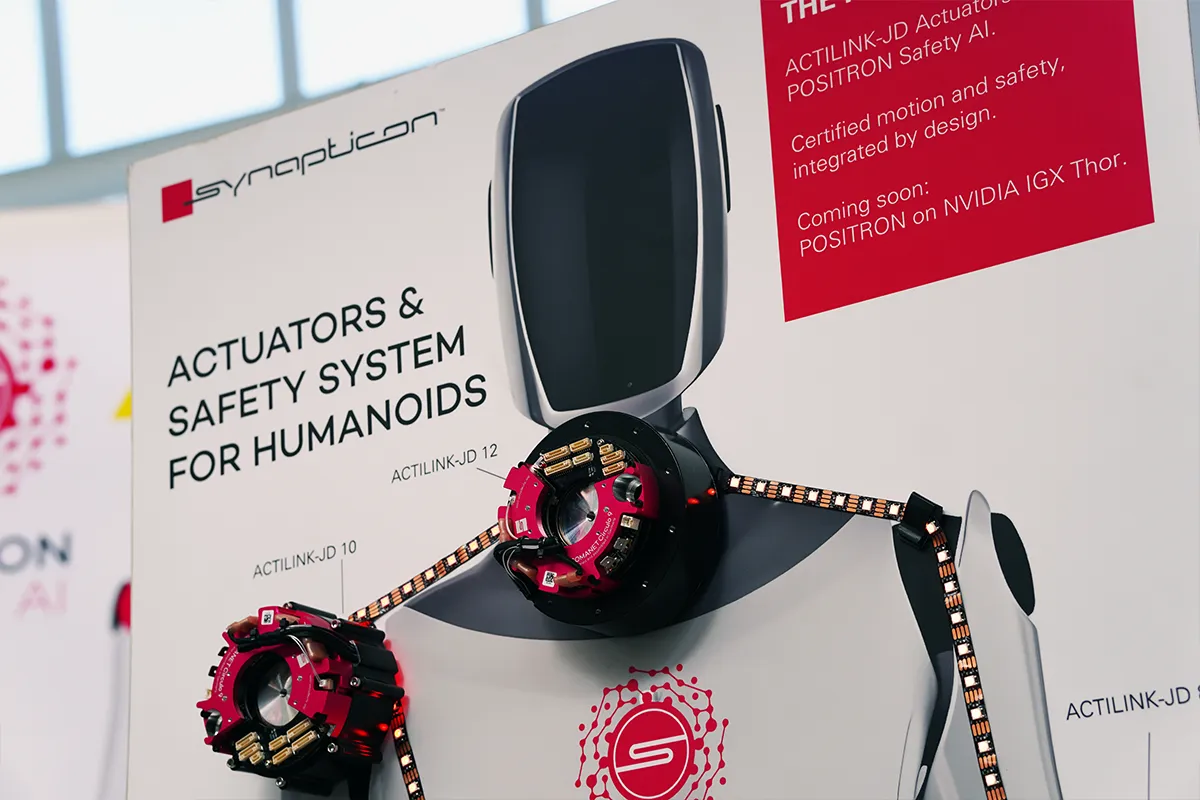
Synapticon was drawing outsized attention for their actuator product families at the show, and for good reason. The joints will be just as important as the brains down the road.
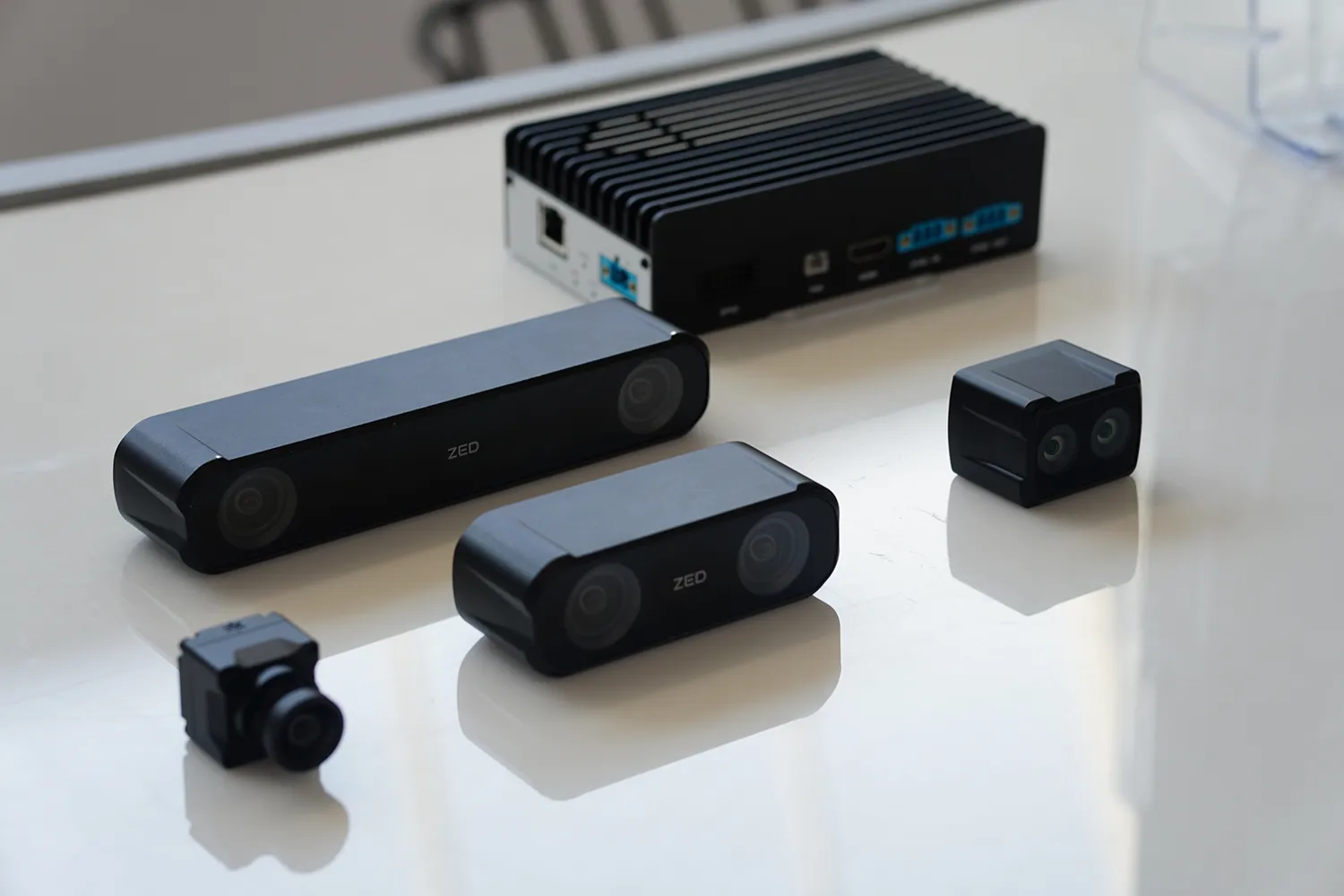
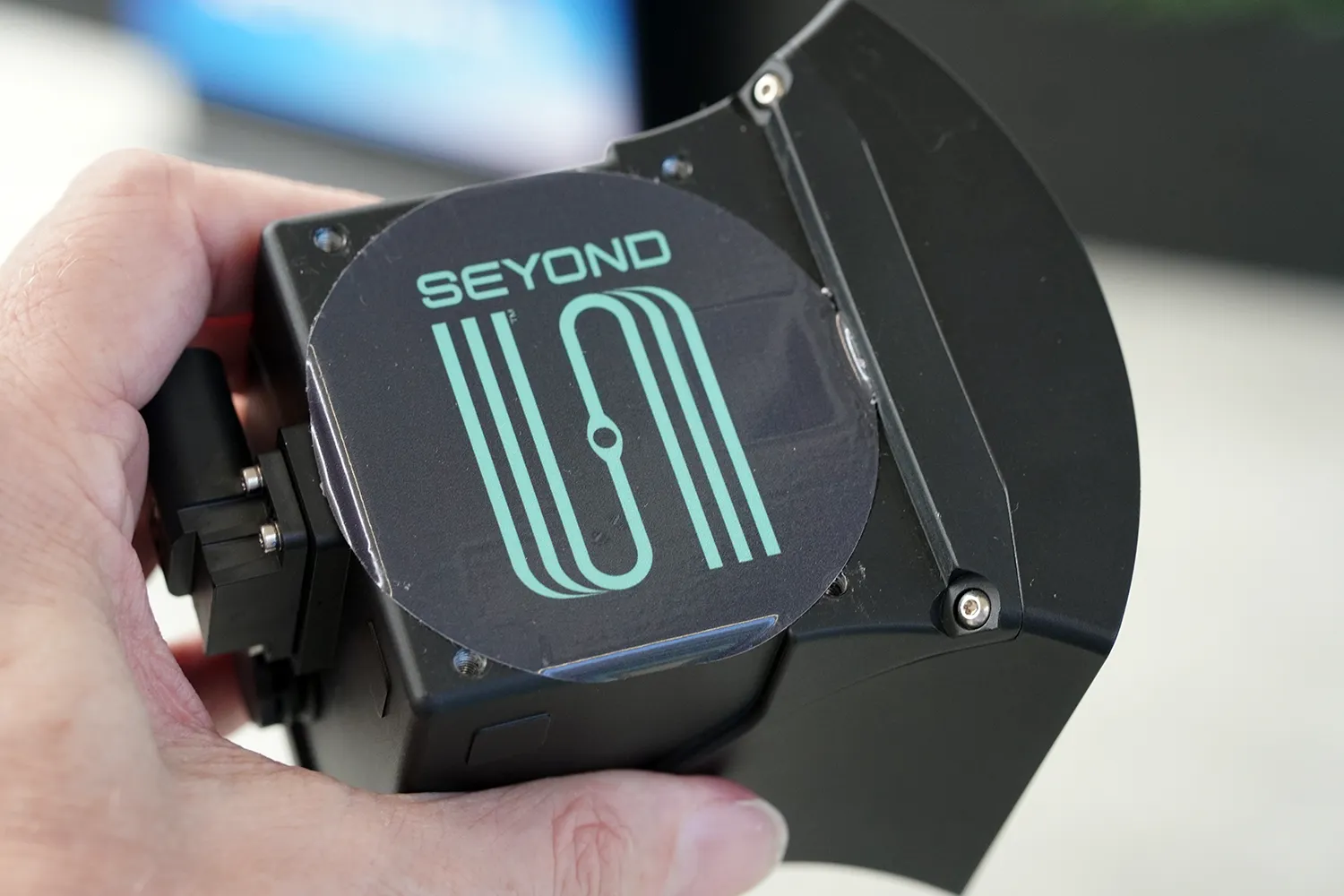
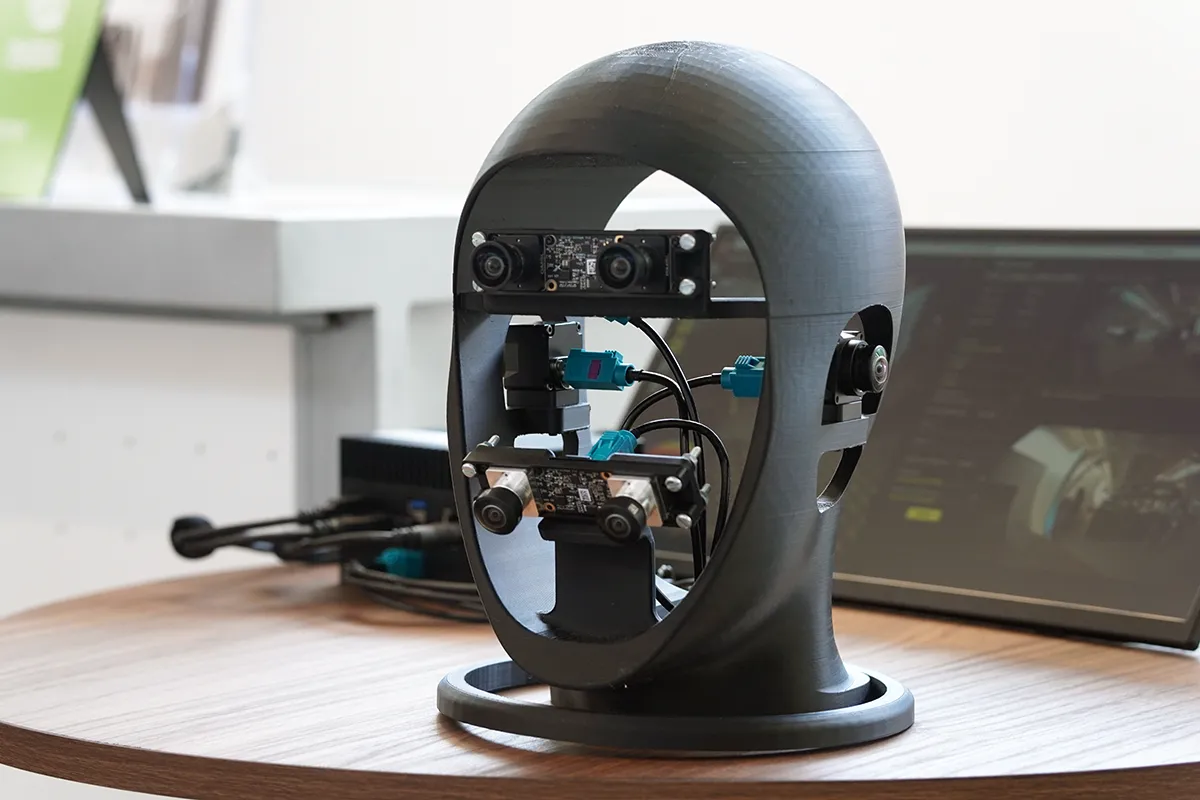
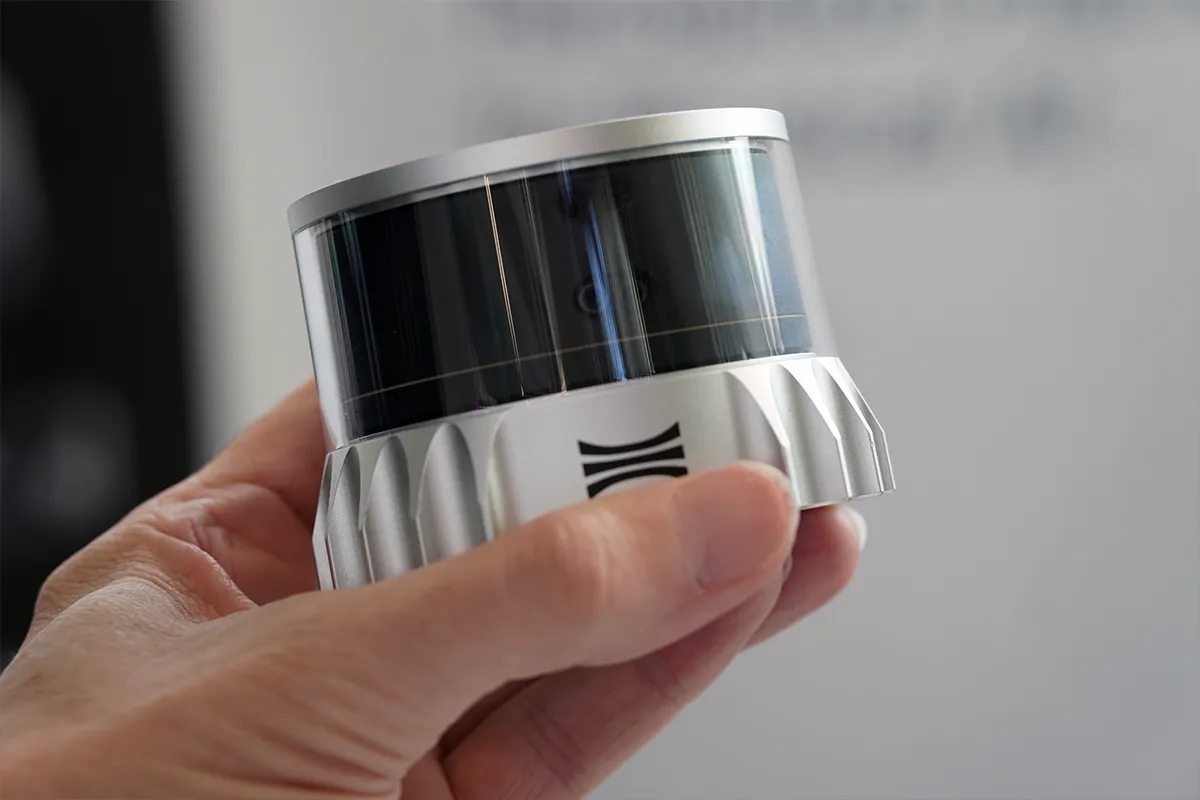
Sensor fusion was top of mind for me. And Seyond, Ouster, and Stereolabs were pitching developers on the lidar and depth cameras that let a robot perceive the world it’s supposed to work in.


Teleoperation is turning into permanent infrastructure
A few years ago, teleoperation was mostly a research tool: a way to test whether a robot could handle a task before it could do it alone. At Actuate it looked more like a real operating layer. IO-AI Tech was one of several companies selling robotics teams the tooling to route a fleet’s hardest moments to a remote human operator instead of leaving a robot stuck. They arrived with a 24-page catalog to serve that space.
LiveKit was there pitching developers on the low-latency video and audio pipes that make that handoff possible in real time. That’s a different bet than chasing full autonomy. It treats a person driving a robot from somewhere else as a normal part of how the robot runs, not something to engineer away, and it comes with a side benefit: every one of those handoffs doubles as a labeled example of the exact thing the model still needs to learn. The more robots get deployed, the more teleoperation looks like its own business: staffing, routing, and infrastructure built specifically for remote operators.


Innovators are defining and refining a recognizable stack
Take in enough of these booths together and a pattern emerges: hardware and sensors feed data collection, data collection feeds simulation and training, training feeds deployment, deployment feeds observability, and everything a deployed robot does becomes more data to learn from. It’s a loop, not a line. The robots you send out into the world are quietly building the next generation of themselves. Increasingly, one company’s name shows up at almost every layer of that loop:
Nvidia’s simulation tools, training compute, and foundation models got referenced in booth after booth. (not to mention edge compute and functional safety). That’s the idea that’s further defining Physical AI: not just putting AI into a robot but building the infrastructure that lets it keep learning after it leaves the lab, and right now a lot of that infrastructure runs through one vendor’s product suite.
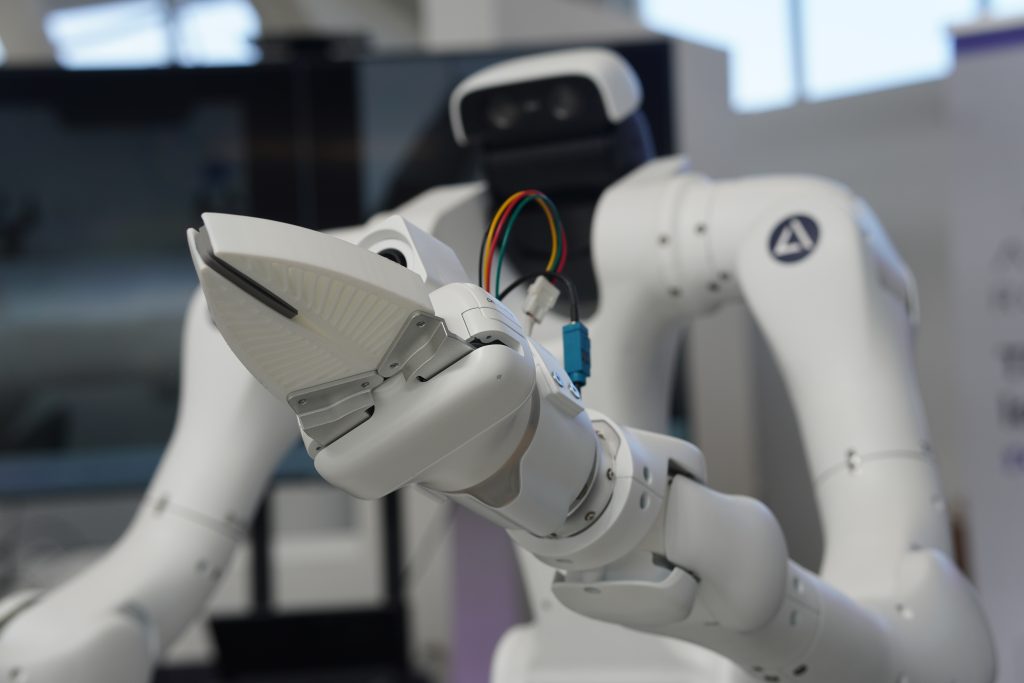
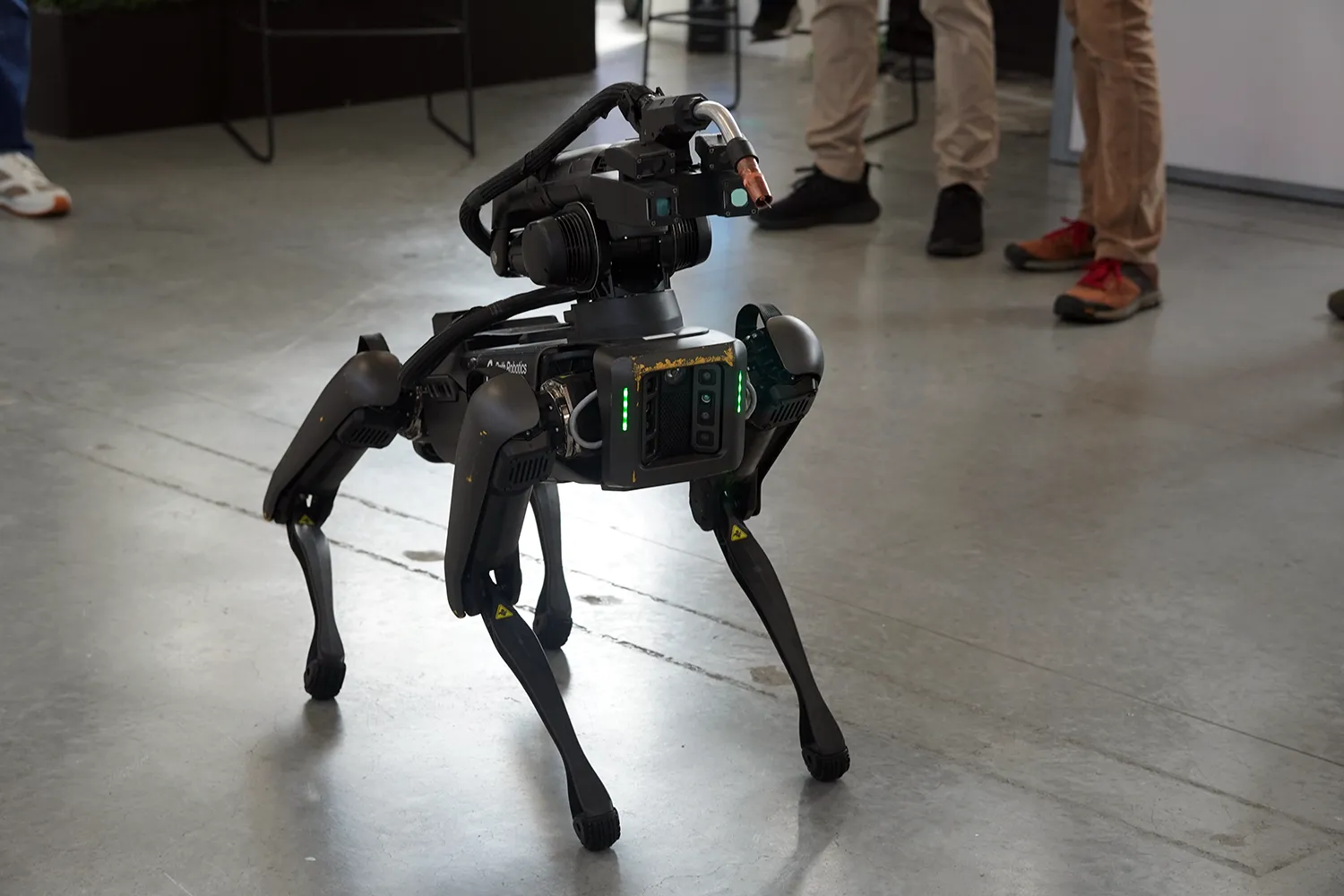
Robots always provide the spectacle in public spaces like this. Path Robotics and its Rove welding rig were drawing attention, but they are so much more than the sum of their hardware. Path has been among the early evangelists of physical AI and have already reshaped the conversation in hardcore manufacturing circles.
The story of Actuate 2026 was about building the software, data, and infrastructure supporting the robot builders. The infrastructure is the business. But nothing about this is settled: no agreed-upon data strategy, no default robot model, no standard stack (with apologies to Nvidia, whose presence is felt just about everywhere).

Walk around the back perimeter at Fort Mason and you’ll get an eyeful of Alcatraz. It really doesn’t look that far away. Just like our emerging physical AI sector.
But in contrast to the 2026 World Robot Conference (WRC 2026) that was being held across the Pacific in Beijing, Actuate 2026 didn’t presume to tell me whose robot will win. It showed me the industry that has to exist before anyone does.
Share Article

A specialized technology stack is beginning to form around Physical AI. At Actuate 2026, developers got a close look at its emerging data, simulation, training, observability, compute and teleoperation layers, offering a glimpse of an ecosystem being assembled in real time.

The firms that rewired the digital world now aim to transform the physical one. And just as they did with digital transformation, the consulting giants are positioning themselves to support this next era of enterprise reinvention.
Physical AI is a developing, self-defining segment that will be inescapable in 2026 and I can’t get enough of it. Let’s hope we come to a consensus about what it is, who the players are, and where the ecosystems are forming.
