

The IBC: A Different Drum
While an old steel drum is sometimes seen as a relic of the transportation and storage industry’s past, the intermediate bulk container (IBC) is emerging as the container of choice for businesses that transport and store bulk liquids or dry goods. Their reusable nature and water-tight seals make them ideal for both outdoor situations and controlled warehouse settings. With an array of storage configurations, including some with capacities of 793 gallons (3000 liters), they are nonetheless designed to be easily moved, stacked, filled, drained and cleaned. IBCs are manufactured to meet strict national and United Nations (U.N.) requirements for strength and resistance to damage.

They are increasingly found in chemical, paint, food processing and pharmaceutical environments and are most often constructed from molded resin plastic, metal or metal/plastic composites. Depending on the type of product stored in each container, some composite IBCs are supplemented by protective metal skeletons or fiberglass blankets while in transit.
Through its container rental services, pH Europe has established a reputation as a unique solutions provider that embraces new technology and rises to meet the challenges of an industry in transition. Their container business falls into three distinct product areas: stain-less-steel containers, plastic containers and environmental storage products. Many of their new customers are finding that renting containers can provide an immediate boost to the balance sheet. By retaining the services of pH Europe, they can accommodate spikes in product demand even while their owned inventory of containers is devoted to other shipments, either in storage or enroute. With an impressive arsenal of containers available for rent (or for hire in the King’s English), pH Europe can meet increases in demand with a solution set that is reactive, cost-effective and efficient.
Once exposed to the pH Europe portfolio during a busy period or in a crisis, companies tend to become interested in taking advantage of its products and services on a more ongoing basis.
Hardware Requirements
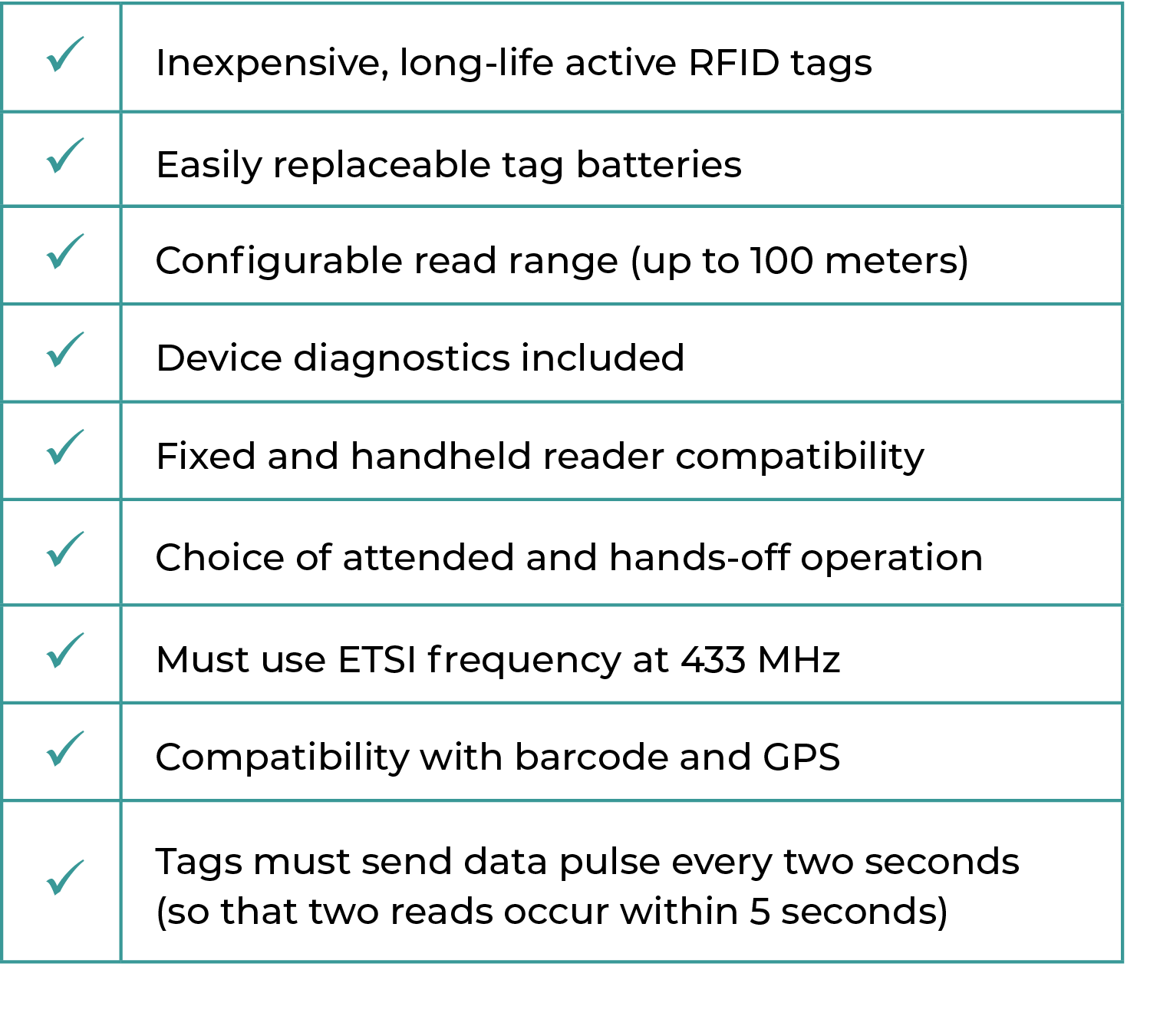
Software Requirements
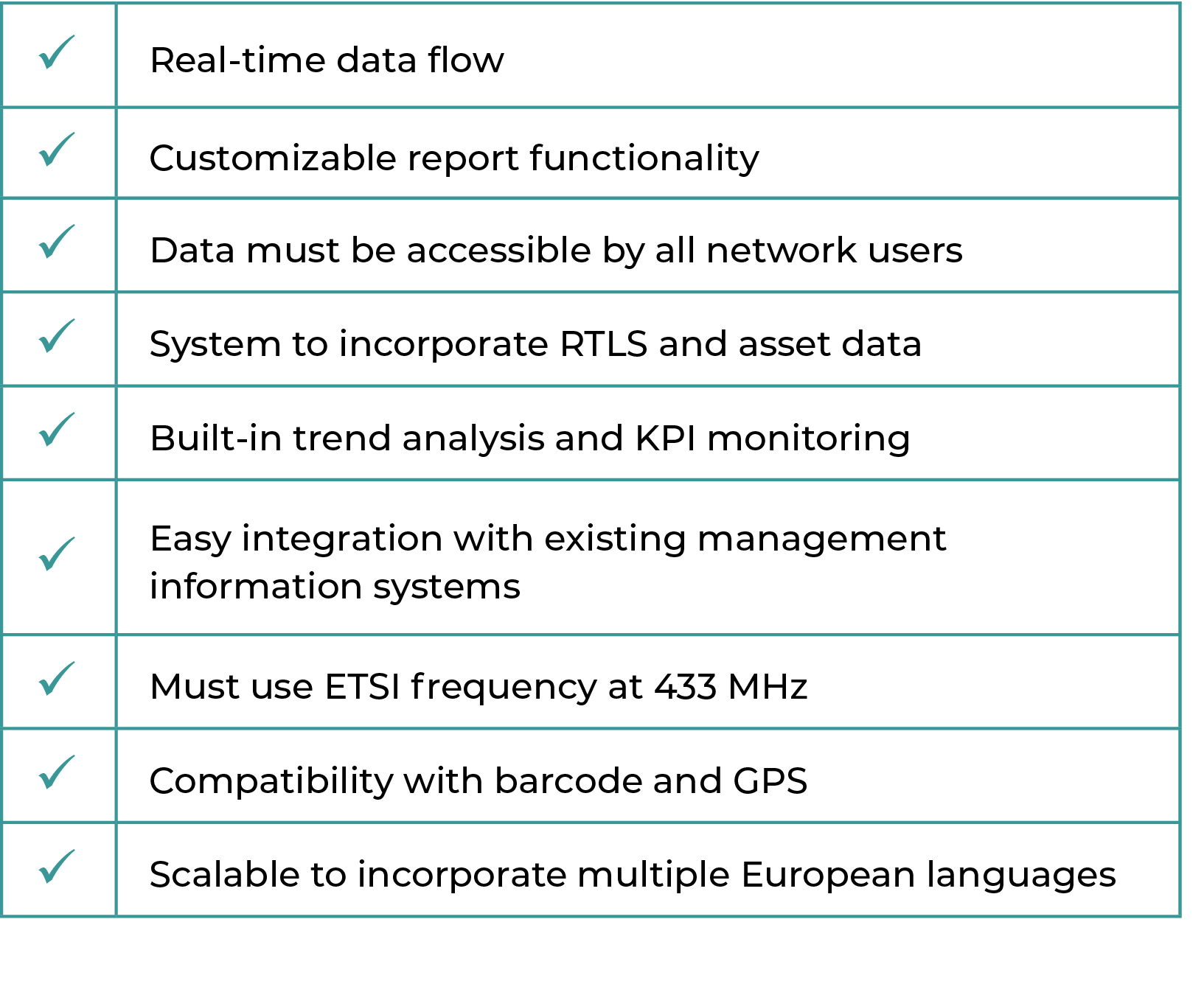
THE SOLUTION
During the initial planning phase, it was determined that a GPS solution would provide the necessary location functionality but would prove far too expensive in the long run. The fact that GPS tags would also need their batteries recharged frequently was a non-starter for the project. The evolving realization that a hybrid RFID/GPS solution featuring long-range active RFID technology at the container level, and GPS at the truck level introduced a new series of complexities that would have to be solved by an advanced data management software system.
RF Code’s data management software solution would be used to connect, collect, consolidate and filter the tag data from the various containers, and integrate third-party applications as well as GPS data.
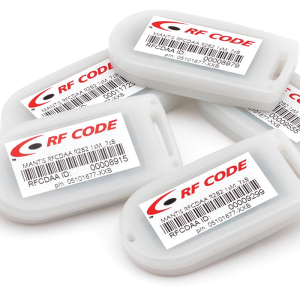 The TAVIS data management platform from RF Code was only paired with its Mantis brand of active RFID tags and readers at the time of pH Europe’s market evaluation. (In October 2003, the company announced that it would offer TAVIS as a standalone solution for hybrid Auto-ID and EPC/RFID applications).
The TAVIS software platform is an Auto-ID data management framework that supports a broad spectrum of Auto-ID devices for data collection, fi filtering and consolidation. It also serves as an application bridge to many of the world’s leading information systems. As TAVIS-powered solutions enable device-independent data collection from a wide variety of devices, they can accommodate active RFID readers, passive RFID readers, EPC readers, remote sensors, barcode scanners, Wi-Fi access points and GPS receivers.
During negotiations with RF Code, it was decided that Burlington, MA-based JDS Professional Services would handle the integration of the system and contribute its CALTS™ asset tracking suite. JDS is part of the JE Consulting group of companies, whose expertise in implementing active and passive RFID technologies is supported by dealer networks serving China, Hong Kong, Macau, and Taiwan in addition to their presence in Europe.
CALTS is a software suite built on the TAVIS platform that leverages the collected RFID data by way of a powerful graphical interface and mapping capabilities. In the case of the pH Europe implementation, it was chosen to track the movement of the company’s IBCs in real-time and provide sophisticated rental visibility and reporting features. Paired with the CALTS Spatial Data Engine (SDE), it would be empowered to translate raw TAVIS data into X, Y and Z spatial coordinates.
JDS president John Hawkins had established a strong relationship with RF Code before his firm was brought on to join the project. He was particularly impressed with his fi first exposure to the Linux version of TAVIS since much of his company’s work is in China where Linux is often required. JDS principals were experienced in the European market and were able to optimize the resources available from Dr. Ivanova and the pH Europe team.
For the pH Europe implementation, JDS recommended Microsoft SQL Server 2000 and the .NET framework to reduce the total cost of ownership (TCO) and enable an easy setup process. The combination of SQL Server and TAVIS was also seen as a highly scalable proposition that would allow pH Europe to quickly expand and add native language functionality as they acquired new customers throughout Europe, and beyond. It was important to keep support costs down and ensure that multiple versions of the software weren’t necessary to add functionality or plug-in modules.
THE RESULT
After several months of installation and testing procedures, the TAVIS-powered solution was formally unveiled in August 2004. As a result, pH Europe was able to establish a fully automated checkout process.
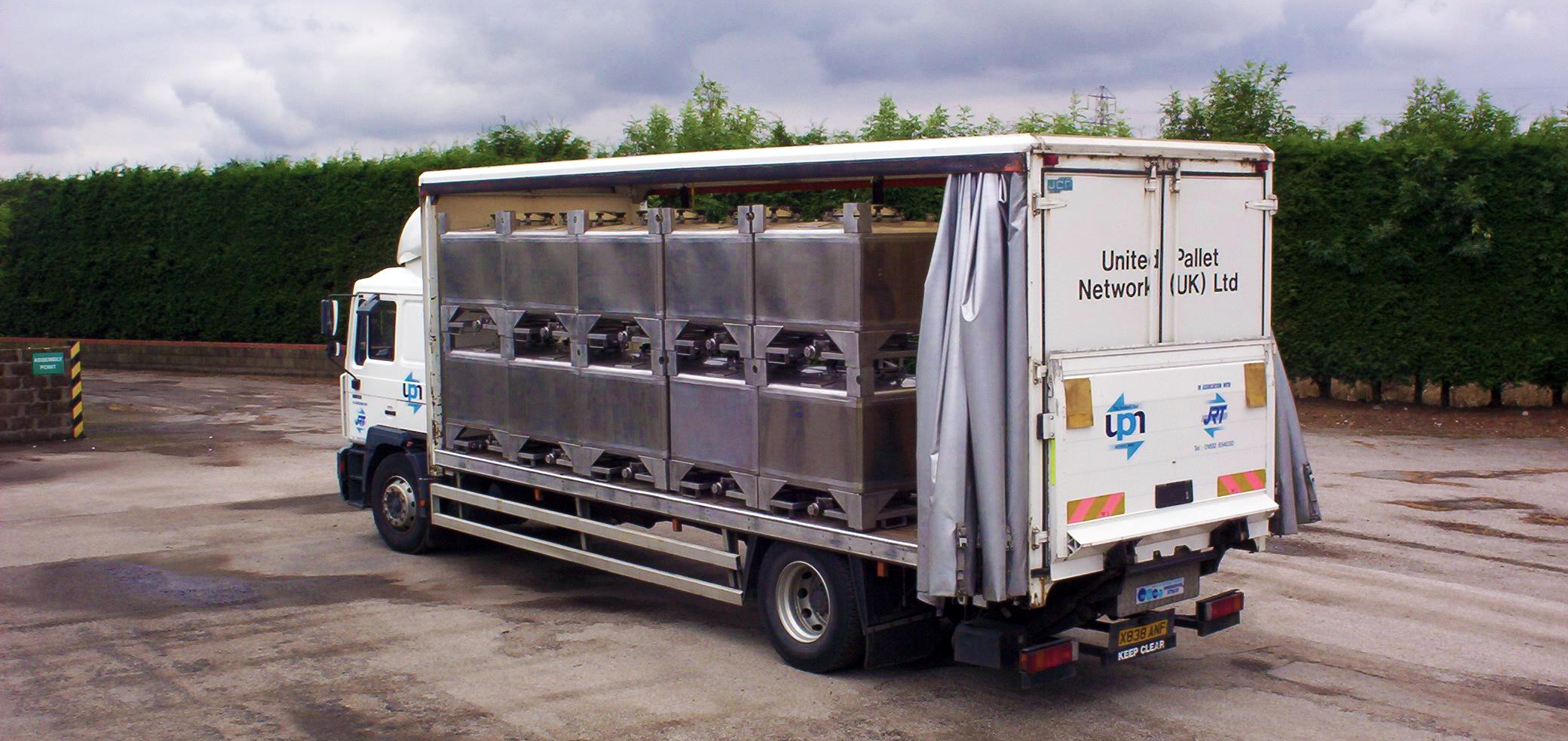
Now, as trucks are loaded with IBCs, the administrators at pH Europe receive real-time, positive verification of the load immediately. Each truck moves through an automated checkout that is completed in less than five seconds as it leaves pH Europe property. In the time it takes to drive through the gate, all assets are accounted for — even on a fully loaded truck carrying 44 IBCs!
 Each container is related to the truck for tracking purposes, and the truck’s GPS data is used to track each load. With the device-independent nature of the system, each IBC can be individually accounted for with short-range handheld readers upon delivery or automatically processed if the destination site also employs an RFID solution. Tag readers from Alien, Zebra, Texas Instruments and more are fully supported by the system. The team at pH Europe can even monitor a delivered IBC’s location from their centrally managed control station.
Since the TAVIS-powered solution was brought online, it has enabled each IBC to generate maximum revenue for the company. The pH Europe inventory does not sit idle due to being in the wrong place at the wrong time. Once rented, each container is prepped and ready to be put into service before the trucks even arrive. And after trucks arrive, the IBCs are quickly on their way without the need for human interaction beyond physically loading them.
Hazardous materials, dangerous chemicals and highly regulated liquids can be matched with their own individual safety data sheets at the time they are rented.
In this way, their properties and characteristics can be recorded and readily available in a variety of formats from data included on the tag.

A specialized technology stack is beginning to form around Physical AI. At Actuate 2026, developers got a close look at its emerging data, simulation, training, observability, compute and teleoperation layers, offering a glimpse of an ecosystem being assembled in real time.

The firms that rewired the digital world now aim to transform the physical one. And just as they did with digital transformation, the consulting giants are positioning themselves to support this next era of enterprise reinvention.